Upcoming FAI Drone Sports Events: WDRC, The World Games, and Drone Soccer Championships
Highlight key dates and locations for major FAI drone sports events, including racing and soccer.
Upcoming FAI Drone Sports Events: WDRC, The World Games, and Drone Soccer Championships
Beyond the Podium: The Strategic Decisions, Tech Innovations, and Personal Journeys Shaping FPV Racing
The roar of tiny motors, the blur of vibrant LEDs, and the heart-stopping precision of pilots navigating impossible courses – FPV racing isn't just a sport; it's a high-octane ballet of technology and skill. But beyond the podium finishes and highlight reels, what truly drives this electrifying discipline? This season, we're diving deeper, past the immediate FPV race results, to uncover the strategic decisions, groundbreaking technological advancements, and the personal journeys of the FPV pilots shaping the future of FPV racing. Get ready for exclusive insights and expert commentary that reveal the true pulse of the sport.
The Current State of FPV Racing: A Global Overview
FPV racing has exploded onto the global stage, transforming from a niche hobby into a burgeoning professional sport. Its dynamic nature, combining lightning-fast reflexes with cutting-edge engineering, continues to captivate audiences and inspire new generations of pilots.
Major Leagues and Their Impact: DRL, MultiGP, and Beyond
The professional drone racing league landscape is primarily dominated by two major players, each with a distinct approach to fostering competition and community.
The Drone Racing League (DRL) stands as the most prominent professional entity. Known for its high production value, custom-built LED race gates, and signature "RacerX" drones, DRL has successfully brought drone racing events to mainstream sports networks like ESPN and NBC. DRL focuses on creating a spectacle, attracting significant sponsorships, and pushing the boundaries of what's possible in an arena setting. Their standardized drone platforms ensure a level playing field focused purely on pilot skill, making it a true test of mental fortitude and precision.
On the other hand, MultiGP serves as the world's largest professional FPV racing organization, but with a strong grassroots foundation. MultiGP empowers local chapters to host FPV competition events, from casual meetups to regional qualifiers for national championships. This decentralized structure allows for incredible accessibility, nurturing new talent and providing a clear path for amateur pilots to rise through the ranks. MultiGP events often feature open-class drone categories, encouraging innovation in racing drone technology and allowing pilots to customize their rigs to their heart's content. Beyond these giants, numerous regional leagues and independent organizers contribute to a vibrant, diverse global FPV racing scene, from the FAI World Drone Racing Championship to local club races.
Key Events and Recent Highlights: More Than Just Race Results
While specific FPV race results shift constantly, the narratives emerging from recent drone racing events are what truly define the season. We've seen a trend towards incredibly tight finishes, where victories are often decided by fractions of a second, highlighting the ever-increasing skill level across the board. The emergence of new talent, challenging established champions, keeps every race unpredictable. For instance, a rookie pilot might make a daring overtake on the final lap, or a seasoned veteran might demonstrate unparalleled consistency under immense pressure. These moments, filled with strategic gambles and split-second decisions, are the true highlights that resonate with fans and pilots alike. They showcase the human element behind the goggles, proving that even with advanced FPV gear for racing, it's the pilot's nerve and intuition that ultimately determine the outcome.
Evolving Formats and Track Design: Pushing the Boundaries
Track design in FPV racing is an art form in itself, constantly evolving to challenge pilots and enhance the spectator experience. Designers are moving beyond simple gate layouts, incorporating complex multi-level structures, narrow chicanes, and speed-inducing straightaways. The integration of augmented reality (AR) elements in broadcasts, particularly by DRL, adds another layer of engagement, allowing viewers to visualize racing lines and drone speeds more dynamically. Environmental considerations also play a role, with some tracks leveraging natural obstacles in outdoor settings, while others create intricate indoor arenas with LED-lit gates that change color or sequence, adding an extra layer of difficulty and visual flair. These innovations ensure that each FPV competition offers a fresh challenge and a unique spectacle.
The Minds Behind the Goggles: Top Pilots and Their Strategies
Behind every lightning-fast lap and daring maneuver is a pilot whose skill, dedication, and mental fortitude are pushed to their limits.
Profiles of Reigning Champions and Rising Stars
The world of FPV racing is populated by a constellation of incredible talents. Reigning champions like Alex Vanover (USA), known for his aggressive yet precise flying style and his DRL World Championship titles, continue to set the benchmark. His ability to maintain blistering speeds through complex courses makes him a formidable opponent. MinChan Kim (South Korea), often lauded for his smooth, almost effortless control and incredible consistency, is another top contender whose technical prowess is unmatched. Then there's Evan Turner (USA), a pilot celebrated for his innovative lines and fearless approach to track navigation.
Beyond these established names, a new wave of rising stars is constantly emerging, fueled by the accessibility of simulators and grassroots FPV competition. These young pilots, often discovered through online communities and local MultiGP races, bring fresh perspectives and an eagerness to push the sport's boundaries. Their unique flying styles and hunger for victory promise an exciting future for FPV racing.
Training Regimens and Mental Fortitude: The Unseen Grind
What does it take to become a top FPV pilot? Far more than just natural talent. The "unseen grind" involves a rigorous training regimen. Simulators like Velocidrone, DRL Sim, and Liftoff are indispensable tools, allowing pilots to practice countless hours without risking their physical drones. These sims offer realistic physics and customizable tracks, enabling pilots to refine muscle memory, experiment with new lines, and master gate transitions.
Beyond the sticks, mental preparation is crucial. The pressure of an FPV competition can be immense. Top pilots engage in visualization techniques, meditation, and strategic pre-race planning to maintain focus and composure. The ability to quickly analyze a track, identify optimal lines, and adapt to changing conditions (like wind or a crashed opponent) under pressure is a hallmark of an elite racer.
Race Day Tactics: Line Choices, Overtakes, and Risk Assessment
On race day, every millisecond counts, and strategic decisions are made in the blink of an eye. FPV pilots constantly weigh aggression against consistency. Some pilots opt for incredibly tight, aggressive lines, shaving off precious time but increasing the risk of a gate hit. Others prioritize smooth, consistent laps, aiming to capitalize on opponents' mistakes.
Overtakes are a high-stakes gamble. A well-executed "punch-out" after a tight turn or a daring dive through a narrow gap can be exhilarating, but a misjudgment can lead to a crash and lost time. Pilots must have an acute awareness of their opponents' positions, anticipate their moves, and decide when to push and when to hold back. This intricate dance of calculated risks and precise execution is what makes FPV racing so thrilling to watch and incredibly challenging to master.
Engineering Victory: Innovations in Racing Drone Technology
The relentless pursuit of speed and durability in FPV racing is a constant driver of innovation in racing drone technology. Each component is meticulously designed and refined to shave off grams, add power, or reduce latency.
Frame Design and Aerodynamics: The Quest for Speed and Durability
The frame is the skeleton of a racing drone, and its design is critical. Modern racing frames are almost exclusively made from high-quality carbon fiber, chosen for its incredible strength-to-weight ratio. Designs vary widely, from classic "X" configurations to "stretched X" frames (where the front and rear arms are longer than the side arms, offering better stability in pitch and high-speed turns) and "H" frames. Brands like ImpulseRC with their Apex frame or Rotor Riot with the CL1 are known for their robust yet lightweight designs, optimized for crash resistance and aerodynamic efficiency. The placement of components, battery mounting, and even the arm thickness all contribute to the drone's center of gravity and overall flight characteristics, directly impacting its speed and maneuverability.
Propulsion Systems: Motors, ESCs, and Propeller Evolution
The heart of a racing drone lies in its propulsion system.
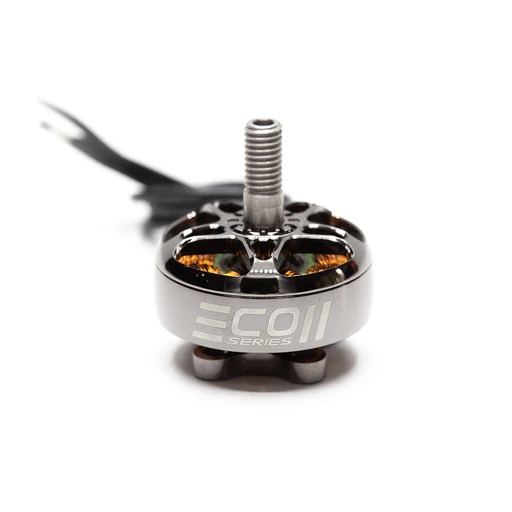
- Motors: Brushless motors are meticulously engineered for high RPMs and rapid throttle response. Key specs include KV rating (RPM per volt) and stator size (e.g., 2207, 2306). Higher KV motors are generally faster but less efficient, while larger stators offer more torque. Brands like T-Motor (F-series) and BrotherHobby (Returner series) are popular choices, offering a balance of power, efficiency, and durability.
- ESCs (Electronic Speed Controllers): These tiny circuits translate commands from the flight controller into motor rotations. Modern ESCs, often running BLHeli_32 firmware, are known for their rapid refresh rates, high current ratings (e.g., 45A, 60A), and advanced features like DShot signaling for precise motor control. Many racers opt for 4-in-1 ESCs, which integrate all four ESCs onto a single board, simplifying wiring and reducing weight.
- Propellers: The "prop" is where the rubber meets the road (or air). Propeller design is a delicate balance of pitch, diameter, and blade count. Common sizes for 5-inch racing drones are 5x4x3 (5-inch diameter, 4-inch pitch, 3 blades) or 5.1x4.6x3. Brands like Gemfan and HQProp constantly innovate, releasing new designs optimized for specific power curves, grip, and efficiency, allowing pilots to fine-tune their drone's performance.
FPV Systems: Low Latency, High Clarity, and Digital Advancements
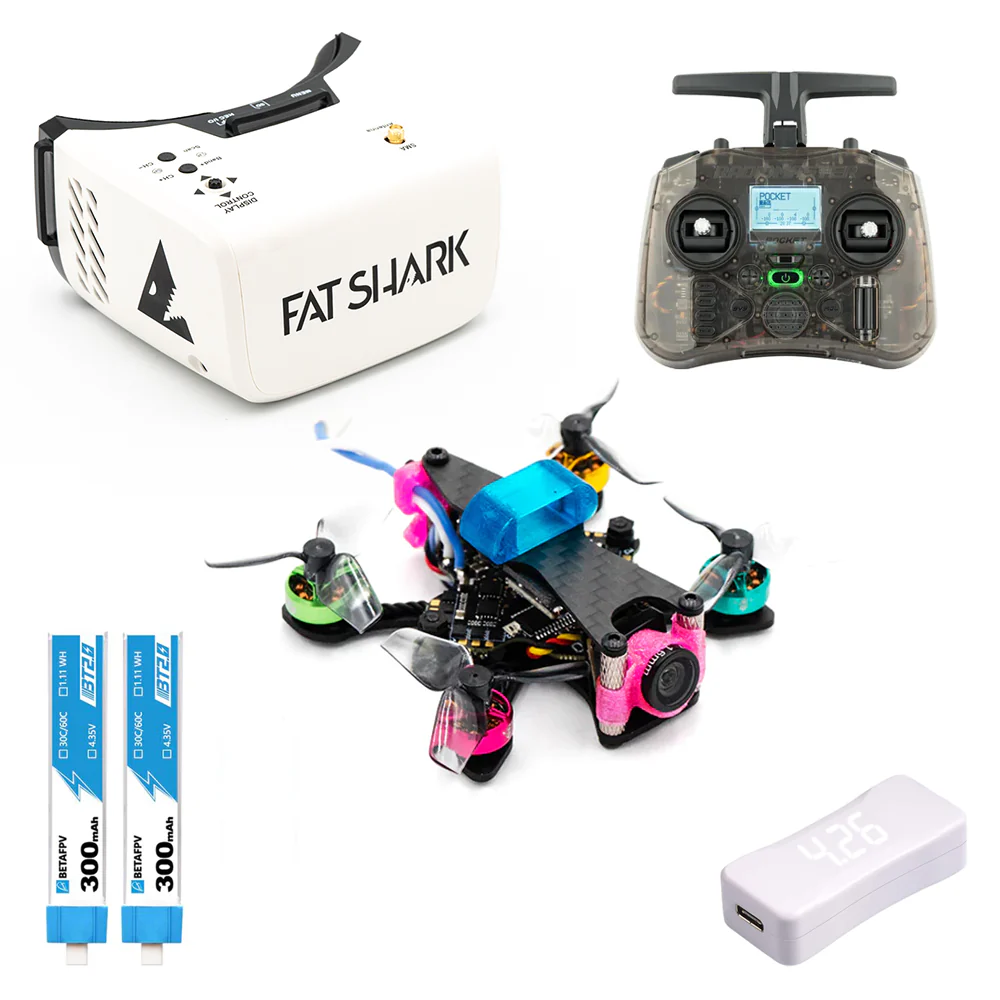
The FPV system is the pilot's eyes, and low latency is paramount. Traditionally, analog systems (e.g., Fat Shark goggles paired with a RunCam or Foxeer camera and a VTX) dominated due to their ultra-low latency. However, the image quality was often grainy.
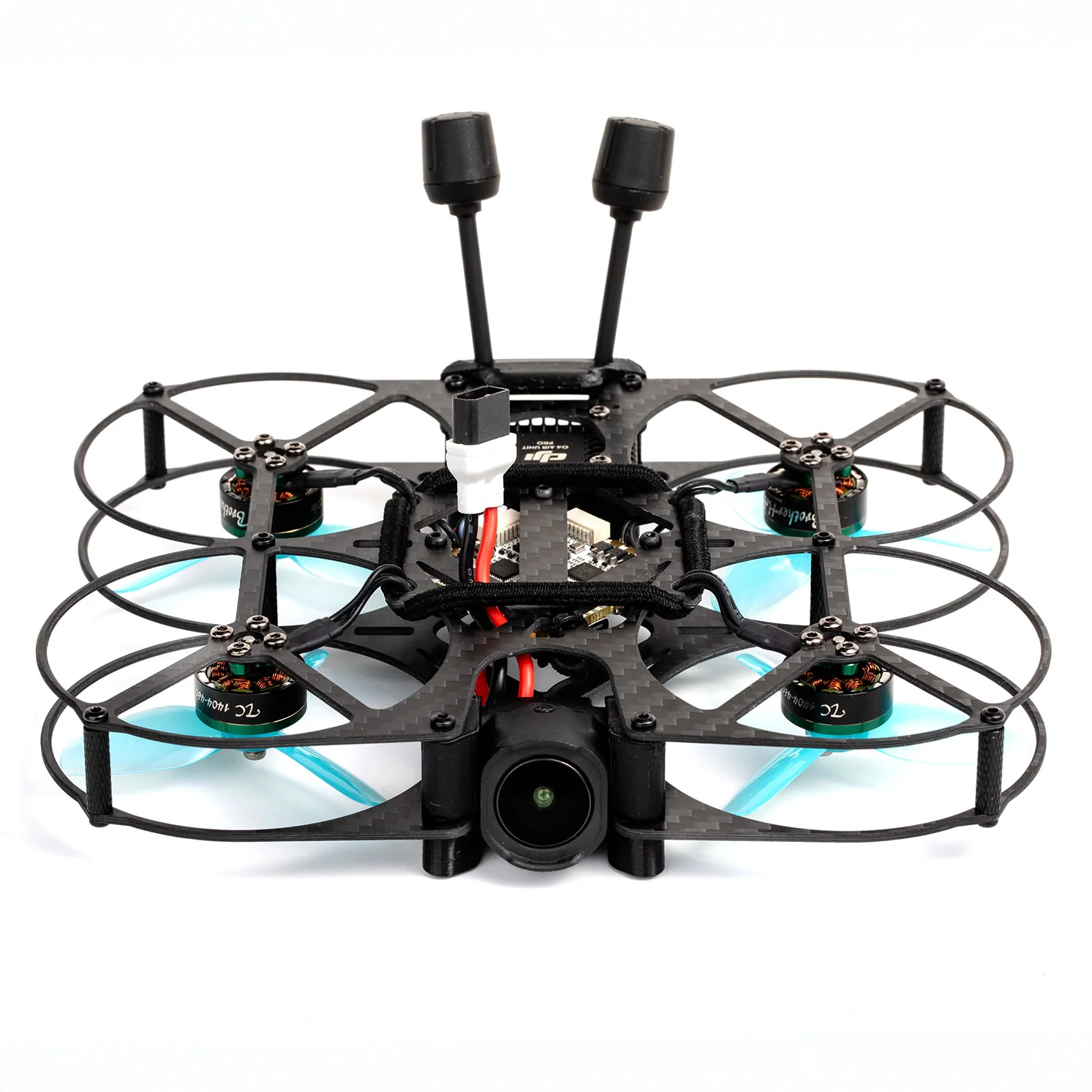
The game-changer has been the advent of digital FPV systems. DJI's O3 Air Unit and HDZero are leading the charge, offering significantly higher resolution and clearer images with impressively low latency. Walksnail Avatar is another strong contender. These systems provide a much more immersive and precise piloting experience, allowing pilots to see track details and judge distances with greater accuracy. While digital systems are generally heavier and more expensive, their performance benefits are undeniable and are rapidly becoming the standard in competitive racing.
Flight Controllers and Software: Tuning for Peak Performance
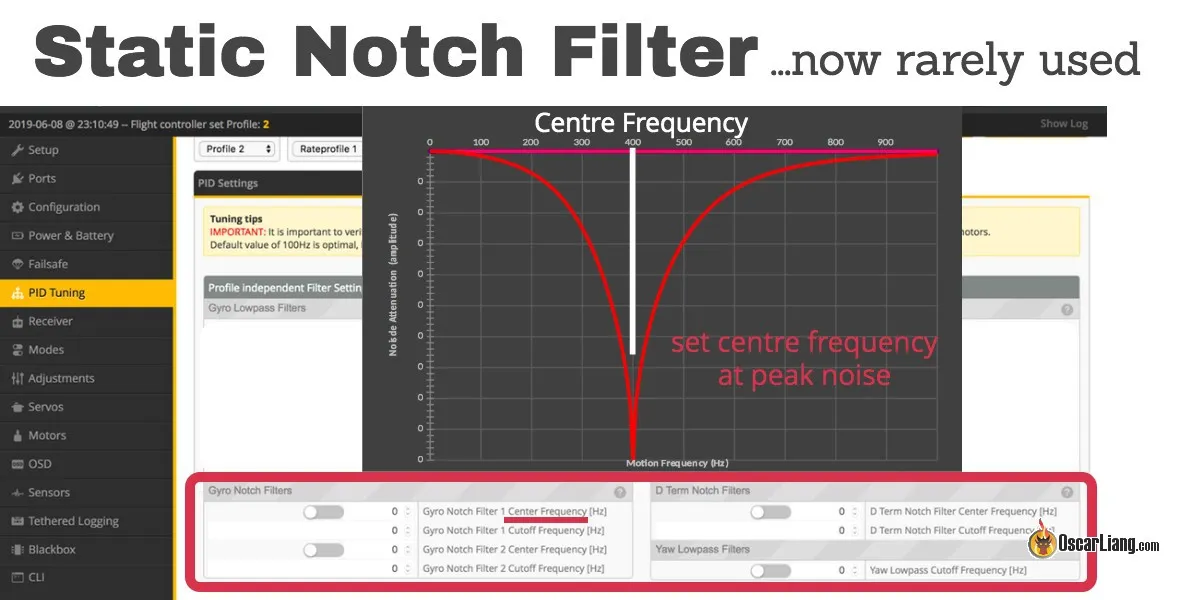
The flight controller (FC) is the brain of the drone, running sophisticated firmware like Betaflight or Kiss. These open-source platforms allow for an incredible degree of customization and tuning. FPV pilots spend countless hours meticulously adjusting PID (Proportional-Integral-Derivative) values, filter settings, and rates to ensure their drone responds precisely to their stick inputs. Advanced features like dynamic filtering, RPM filtering, and custom OSD (On-Screen Display) layouts provide pilots with critical flight data in real-time. The ability to fine-tune these parameters for specific tracks, wind conditions, and personal flying styles is a significant advantage in FPV competition, making the difference between a good lap and a record-breaking one.
The Business and Spectacle of FPV Racing
FPV racing is rapidly professionalizing, attracting significant investment and a growing audience.
Sponsorships, Prize Pools, and Professionalization
The economic backbone of FPV racing is strengthening. Major leagues like DRL boast substantial prize pools (often in the hundreds of thousands of dollars) and attract multi-year sponsorships from global brands like T-Mobile, Allianz, and Bud Light. This influx of capital allows for higher production values, better infrastructure, and, crucially, the ability for top FPV pilots to pursue racing as a full-time career. While MultiGP's prize pools are generally smaller, its community-driven model is supported by numerous hardware manufacturers and FPV retailers, illustrating a healthy ecosystem of industry support. This professionalization is elevating the sport's profile and attracting even more talent.
Where to Watch: Broadcasts, Streaming, and Fan Engagement
Catching FPV racing action is easier than ever. DRL events are often broadcast on major sports networks and streamed live on platforms like YouTube, Twitch, and Facebook. MultiGP races are frequently live-streamed on their dedicated YouTube channel and local chapter pages. For replays and highlights, official league websites are the best resource, alongside dedicated FPV news channels and content creators who provide analysis and behind-the-scenes glimpses. The interactive nature of live streams, with chat functions and pilot interviews, fosters strong fan engagement, allowing enthusiasts to connect directly with the sport and its stars.
The Future Growth: Esports Integration and Mainstream Appeal
The trajectory of FPV racing is undeniably upward. Its fast-paced, visually stunning nature makes it a prime candidate for deeper integration into the broader esports ecosystem. As technology advances, particularly in digital FPV systems, the viewing experience becomes even more captivating, potentially attracting a wider, mainstream audience. Strategies for achieving this include simplifying race formats for easier understanding, highlighting the unique personalities of the FPV pilots, and showcasing the incredible technological feats involved. With continued innovation and strategic marketing, FPV racing is poised to become a significant player in the world of competitive sports.
Beyond the Race Track: The FPV Community and Culture
The spirit of FPV racing extends far beyond the competitive track, deeply rooted in a vibrant and supportive community.
The Crossover with FPV Freestyle and Cinewhoop
The different disciplines within FPV, such as FPV freestyle and cinewhoop flying, are not isolated but rather deeply interconnected. Many top FPV racing pilots, like Johnny FPV and Mr Steele, honed their skills in freestyle, where creative aerial maneuvers and precise control are paramount. The ability to recover from impossible situations or execute a complex trick translates directly to the agility and control needed in racing. Similarly, technological advancements in racing (e.g., lighter frames, more powerful motors) often find their way into freestyle builds, and vice-versa. While cinewhoops (ducted drones designed for smooth, cinematic footage) have less direct crossover with racing, the shared passion for flying and building, and the underlying technology, bind these communities together, fostering a rich environment for innovation and skill development.
Local Clubs and Grassroots Racing: The Foundation of the Sport
The foundation of FPV racing lies in local clubs and grassroots events. Organizations like MultiGP thrive on their chapter system, enabling local communities to organize races, build tracks, and provide accessible entry points for new pilots. These local gatherings are where friendships are forged, knowledge is shared, and the next generation of champions takes flight. They offer a low-pressure environment for pilots to practice, compete, and connect with fellow enthusiasts, making the sport approachable and sustainable.
Mentorship and Bringing in New Pilots: Growing the Ranks
A strong culture of mentorship is vital for FPV racing to continue its growth. Experienced pilots often take new enthusiasts under their wing, offering advice on drone building, tuning, and flying techniques. Online forums, Discord servers, and local club meetings are hubs for knowledge sharing, where questions are answered, and tips are exchanged freely. Initiatives aimed at introducing FPV to schools or youth groups are also crucial for expanding the ranks of FPV pilots, ensuring a continuous influx of fresh talent and maintaining the vibrant, innovative spirit of the community.
Frequently Asked Questions About FPV Racing
What are the latest trends in FPV racing results?
While specific results vary event by event, the overarching trend points towards increased competition, tighter finishes, and a growing pool of international talent. The gap between top pilots is narrowing, making every race incredibly exciting. For the very latest, always check official league websites like DRL or MultiGP.
How can I find upcoming major FPV drone racing events?
Major FPV drone racing events are typically announced well in advance on the official websites of leagues like the DRL, MultiGP, and FAI (Fédération Aéronautique Internationale). FPV news outlets, community forums, and social media channels are also excellent resources for event calendars and announcements.
Who are some of the current top FPV racing pilots to watch?
Names like Alex Vanover, MinChan Kim, and Evan Turner often feature prominently in FPV race results and discussions, but the roster of top talent is constantly evolving. Keep an eye on league standings and watch recent FPV competition broadcasts to discover new stars and track current rankings.
What new FPV racing gear is making waves this season?
Innovations in digital FPV systems (e.g., HDZero, DJI O3 Air Unit, Walksnail Avatar) are consistently trending due to their low latency and high clarity. Lighter yet stronger carbon fiber frames (e.g., ImpulseRC Apex), more efficient high-KV motors (e.g., T-Motor F-series), and new propeller designs (e.g., Gemfan, HQProp) are always evolving to provide the edge in racing drone technology. See our 'Engineering Victory' section for more details.
Where can I watch FPV racing live or catch replays?
Many major FPV racing events are streamed live on platforms like YouTube, Twitch, and Facebook. Official league websites (DRL, MultiGP) often host replays and highlights. Additionally, dedicated FPV news channels and content creators on YouTube provide analysis, interviews, and curated highlights.
Conclusion
FPV racing is a sport in constant motion, driven by the relentless pursuit of speed, precision, and innovation. By looking beyond the simple FPV race results, we gain a deeper appreciation for the strategic brilliance of its pilots, the engineering marvels of its drones, and the vibrant community that fuels its growth. The future of FPV racing is bright, promising even more thrilling FPV competition and technological breakthroughs. Don't just watch the races; understand what makes them fly. Follow the next FPV drone racing event, explore the cutting-edge FPV gear for racing, and perhaps even consider joining the ranks of FPV pilots yourself!
Copyright-safe media generated locally by FPVLovers