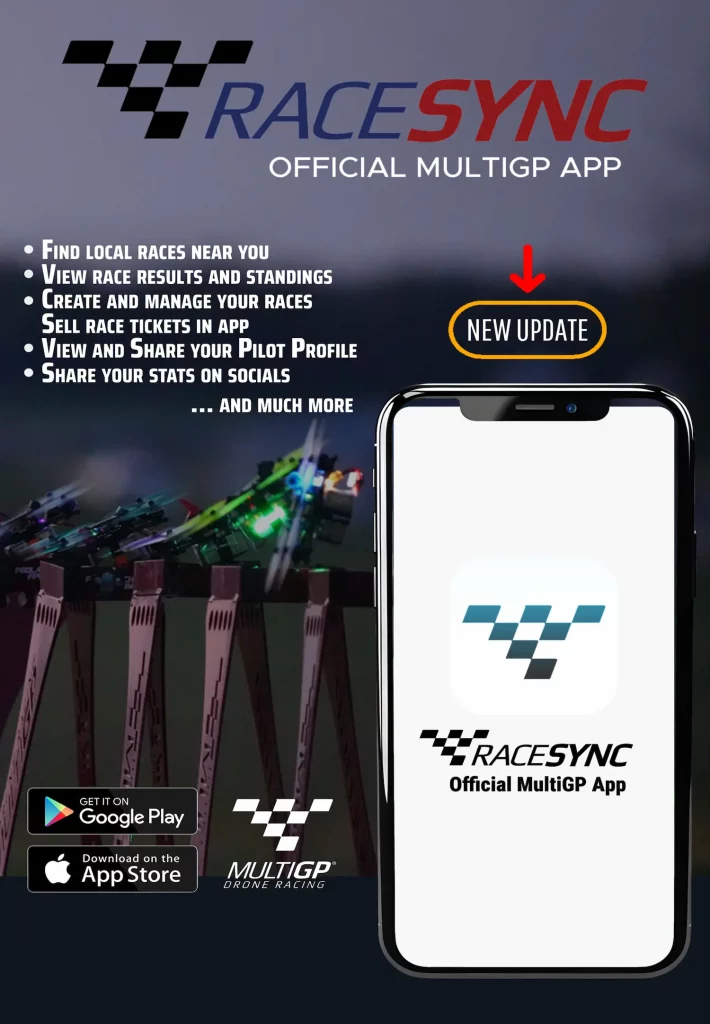
RaceSync iOS Update v 1.8.2 Released
Announcement of the latest update for the RaceSync iOS application.
RaceSync iOS Update v 1.8.2 Released
FPV Racing: The Pilot's Progression - From Simulator Mastery to Dominating Your First Real-World Race Track
Introduction: The Thrill of FPV Racing Takes Flight
Welcome to the high-octane world of FPV racing, where speed, skill, and precision collide in an exhilarating aerial ballet. Imagine strapping into the cockpit of a miniature, lightning-fast drone, navigating intricate courses at breakneck speeds, all from a first-person perspective. This isn't just a hobby; it's a sport that demands dedication, quick reflexes, and a passion for flight.
This comprehensive guide is your co-pilot on the journey from aspiring pilot to track dominator. We'll navigate the essential gear, unlock the secrets of simulator mastery, and reveal the advanced techniques needed to conquer your first real-world race. Ready to master FPV racing? Let's power up!
The Foundation: Understanding FPV Racing
What is FPV Racing? An Overview
FPV (First-Person View) racing is a competitive sport where pilots fly custom-built, high-performance drones around a designated track, often marked with gates, flags, and obstacles. The pilot experiences the flight from the drone's perspective via a camera mounted on the drone, transmitting live video feed to FPV goggles. The objective is simple: complete the course in the fastest time possible, often against other pilots simultaneously. It's a blend of drone technology, aerial acrobatics, and intense, real-time strategy.
Key Components of an FPV Racing Setup
To dive into FPV racing, you'll need a few core components:
- FPV Racing Drone: A lightweight, durable, and powerful quadcopter designed for speed and agility.
- FPV Goggles: To receive the live video feed from your drone, immersing you in the cockpit experience.
- Radio Transmitter (Controller): To command your drone's movements with precision.
- LiPo Batteries and Charger: To power your drone and keep you flying.
- Props and Spare Parts: Crashes are inevitable, so spares are essential.
Why Get Into FPV Racing? The Appeal and Community
FPV racing offers an unparalleled adrenaline rush. The feeling of weaving through gates at 100+ km/h, making split-second decisions, and pushing your limits is incredibly satisfying. Beyond the thrill, it's a fantastic way to develop hand-eye coordination, spatial awareness, and problem-solving skills. The FPV community, both locally and online, is incredibly welcoming and supportive. You'll find countless resources, fellow pilots eager to help, and opportunities to compete and share your passion. It's a sport that blends cutting-edge technology with pure, unadulterated fun.
Mastering the Virtual Skies: Simulator Training for FPV Racing
Why FPV Simulators are Non-Negotiable for Skill Development
Before you even think about powering up a real drone, simulators are your absolute best friend. They offer a safe, cost-effective, and consequence-free environment to learn the fundamentals of FPV flight. You can crash thousands of times without breaking a single prop or component, saving you significant money and frustration. Simulators build crucial muscle memory, teach you stick control, and allow you to internalize flight physics long before you take to the real sky.
Choosing the Right FPV Racing Simulator and Practice Regimen
Several excellent simulators are available, each with its strengths:
- VelociDrone: Widely regarded for its realistic physics and excellent race track variety. Many professional racers use it for practice.
- DRL Simulator: Features official DRL (Drone Racing League) tracks and realistic drone models. Great for competitive practice.
- Liftoff: Offers beautiful graphics, a wide range of drones, and a good balance of realism and accessibility.
- Uncrashed: Known for its highly realistic physics and stunning, open-world environments for freestyle and racing practice.
When choosing, consider compatibility with your radio transmitter (most modern radios work via USB). Your practice regimen should be consistent: aim for at least 30 minutes to an hour daily. Focus on specific skills rather than just aimlessly flying.
Effective Simulator Drills: Gate Practice, Track Memorization, and Stick Time
- Gate Practice: Start with simple gate sequences. Focus on smooth entry and exit, maintaining a consistent line. Gradually increase complexity.
- Track Memorization: Pick a track and fly it repeatedly. Try to memorize the layout, identify optimal racing lines, and anticipate turns.
- Stick Time: Simply put, the more you fly, the better you'll get. Practice hovering, making tight turns, performing power loops, and navigating obstacles. Pay attention to how small stick inputs affect your drone's movement. A useful drill is to fly a figure-eight pattern as smoothly and consistently as possible.
Optimizing Your FPV Racing Controller Settings for Precision
Your radio transmitter settings are critical for precise control. In your simulator, experiment with:
- Rates: These determine how quickly your drone responds to stick input. Higher rates mean faster rotations. Most pilots use exponential curves (Expo) to soften stick response around the center, allowing for fine adjustments while still having access to aggressive flips and rolls at the stick limits.
- Deadband: A small area around the center of your stick where input is ignored. This prevents accidental movements from shaky hands. Start with a small deadband and adjust if you notice unwanted drifts.
- PID Tuning (basic understanding): While mostly for real drones, some simulators allow basic PID adjustments. Understanding how PIDs affect stability and responsiveness will be beneficial later.
The goal is to find settings that feel natural and allow for both precise control and aggressive maneuvers. Once you find comfortable settings in the simulator, try to replicate them as closely as possible on your real drone via Betaflight.
Gearing Up for the Track: Your Essential FPV Racing Setup Guide
Essential FPV Racing Drone Components Explained (Frame, Motors, ESC, FC, VTX, Camera)
A typical 5-inch racing drone is a marvel of engineering, built for speed and durability. Here's a breakdown:
- Frame: Usually made of carbon fiber, offering incredible strength-to-weight ratio. Common designs include "X" and "Stretched X" for stability and clean air to the rear props. Brands like Armattan, GEPRC, and iFlight offer robust racing frames.
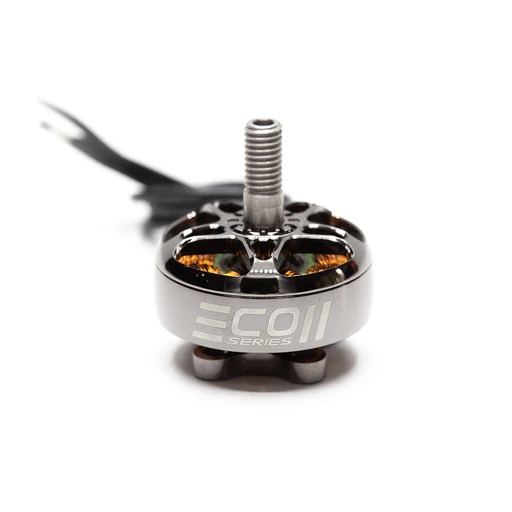
- Motors: Brushless motors are the heart of the drone. Key specs are kV (RPM per volt) and stator size (e.g., 2207, 2306). For 6S LiPo batteries (common for 5-inch racing), motors around 1700-1950kV are typical (e.g., EMAX Eco II 2207 1700kV). For 4S, 2400-2750kV is common.
- ESC (Electronic Speed Controller): Converts signals from the Flight Controller into power for the motors. Often a "4-in-1" unit, combining four ESCs onto one board, simplifying wiring. Look for high current ratings (e.g., 45A-60A) and support for modern firmware like BLHeli_32 for smooth, efficient power delivery.
- FC (Flight Controller): The brain of the drone, running firmware like Betaflight. It takes input from your radio, processes data from gyroscopes and accelerometers (e.g., MPU6000, ICM20689), and sends commands to the ESCs. Popular choices include SpeedyBee F405 or Mamba F7 stacks.
- VTX (Video Transmitter): Sends the live video feed from the camera to your FPV goggles. Power output (25mW to 1000mW+) affects range and penetration. Features like SmartAudio or TrampHV allow changing VTX settings via your OSD.
- Analog VTX: Still popular for its low latency and affordability (e.g., Rush Tank Mini, TBS Unify Pro32 Nano).
- Digital VTX: Offers superior image quality but often with slightly higher latency and cost. Options include DJI O3 Air Unit, Walksnail Avatar HD, and HDZero.
- Camera: Captures the FPV feed. Key features are low latency, good dynamic range (for varying light conditions), and a wide field of view. Popular cameras include the Runcam Phoenix 2 (analog) or the Caddx Ratel 2 (analog). For digital, the cameras integrated into the Air Units are standard.
Choosing Your First FPV Racing Drone: RTF vs. Build, 5-inch vs. Smaller Options
- RTF (Ready-To-Fly) vs. Build:
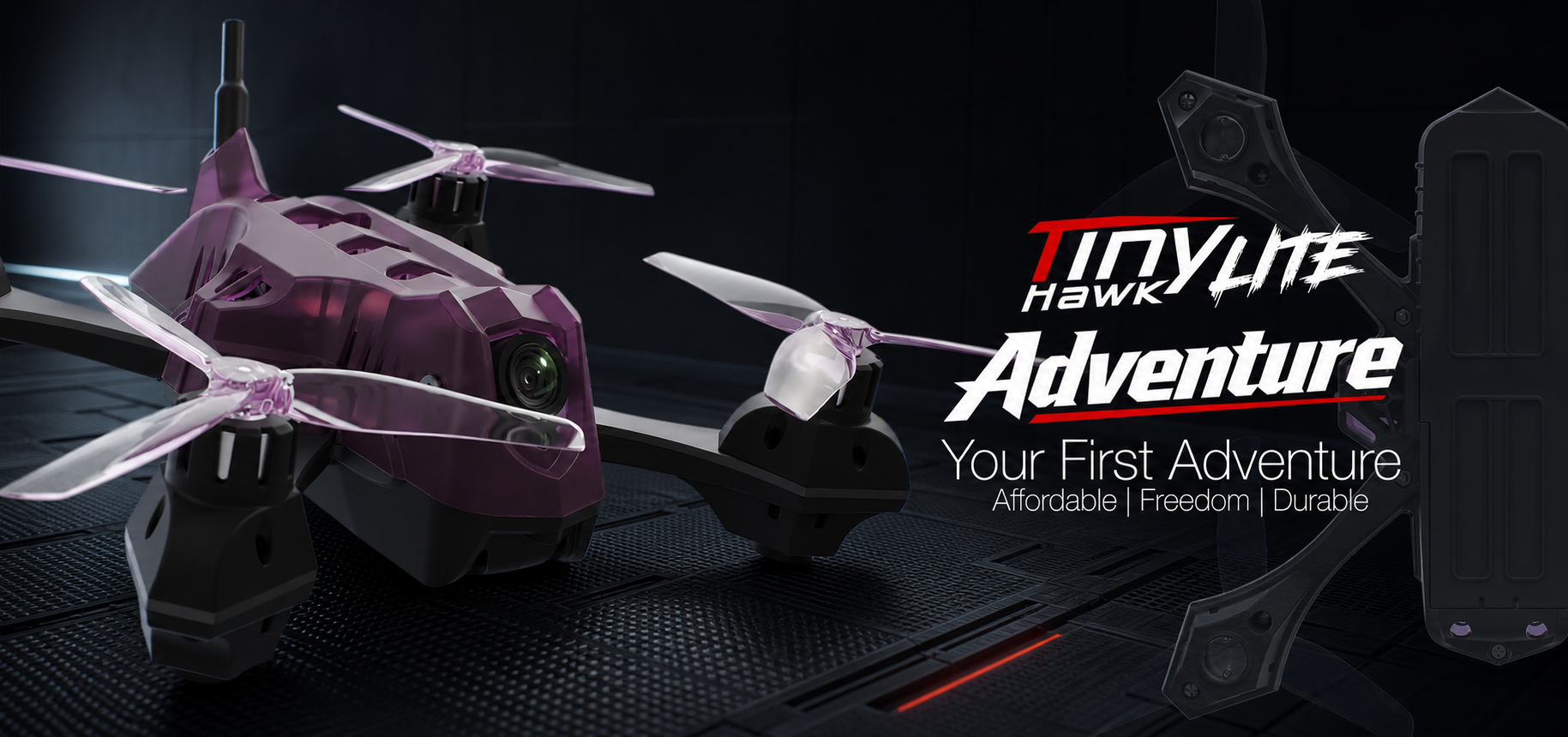
- RTF: Great for beginners, as everything is pre-assembled and often pre-tuned. Examples include the EMAX Tinyhawk III for indoor/micro racing or the Betaflight Cetus X for a more powerful micro outdoor experience. For a full 5-inch, pre-built options like the iFlight Nazgul Evoque F5 are excellent.
- Building: Offers deep understanding of components, easier repairs, and full customization. It's more challenging but incredibly rewarding.
- 5-inch vs. Smaller Options:
- 5-inch Racing Drones: This is the standard for competitive FPV racing due to their power, speed, and ability to handle outdoor conditions. They offer the most exhilarating experience.
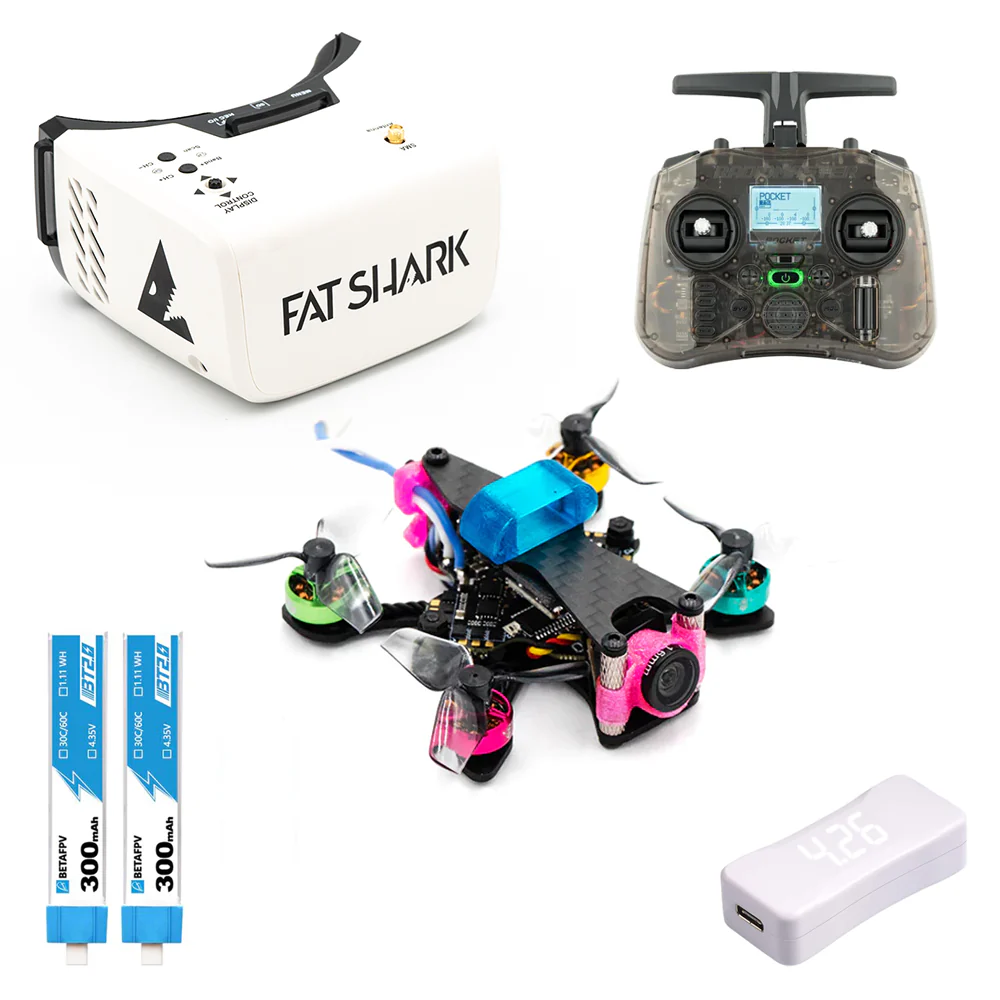
- Smaller Drones (Tiny Whoops, Toothpicks): Perfect for indoor flying, backyard racing, or learning in tighter spaces. As per our knowledge base, options like Tiny Whoop FPV Drones and Toothpick FPV Drones are excellent entry points for these categories. They are less intimidating and crashes are less damaging.
Radio Transmitters & FPV Goggles: Making the Right Choice for Comfort and Performance
- Radio Transmitters:
- Protocol: ExpressLRS (ELRS) is currently the dominant protocol, offering industry-leading range, low latency, and robust signal. Other options include FrSky ACCESS/ACCST, Crossfire (TBS).
- Radios: Popular choices include the Radiomaster Zorro, Radiomaster Pocket, and the full-size Radiomaster TX16S or Jumper T-Pro. Choose based on ergonomics, gimbal quality (hall gimbals are preferred), and features.
- FPV Goggles:
- Analog Goggles: Affordable, very low latency, but lower image quality. Good options are Fat Shark HDO2 or Skyzone Sky04X, often paired with a Rapidfire or TBS Fusion module for improved reception.
- Digital Goggles: Offer vastly superior image quality, making it easier to spot gates and obstacles.
- DJI FPV System: DJI Goggles 2 or DJI Integra offer excellent clarity and decent latency.
- Walksnail Avatar HD: A strong contender with good image quality and a growing ecosystem, often with Walksnail Avatar HD Goggles X.
- HDZero: Focuses on ultra-low latency digital video, crucial for racing, with goggles like the HDZero FPV Goggles.
Batteries, Chargers, and Accessories: Powering Your Racing Ambitions
- LiPo Batteries: For 5-inch racing, 6S LiPo batteries are standard, offering more power and efficiency than 4S. Capacity typically ranges from 1100mAh to 1500mAh, with a high C-rating (e.g., 100C or higher) for maximum current delivery. Brands like Tattu R-Line, GNB, and CNHL are popular.
- Chargers: A good balance charger is essential for safety and battery longevity. Look for chargers that can handle multiple cell counts (e.g., 1S-6S) and have various charging modes. Examples include the ISDT Q6 Nano or HTRC T240 Duo. Always charge in a fire-safe bag.
- Accessories:
- Props: Buy in bulk! Gemfan and HQProp are leading brands. Different pitch/blade counts affect flight characteristics.
- Tools: Hex drivers, soldering iron, flux, solder, heat shrink, zip ties.
- Spare Parts: Motors, ESCs, VTX antennas, camera lenses are common crash replacements.
- Battery Straps: Secure your LiPos firmly.
From Practice to Performance: Advanced FPV Piloting Techniques
Fundamental FPV Racing Maneuvers: Gate Entry/Exit, Cornering, and Throttle Management
- Gate Entry/Exit: Approach gates wide, cut in tight, and exit wide. This "outside-inside-outside" line minimizes turning radius and maintains momentum.
- Cornering: Use pitch to lean into the turn, and yaw to rotate the drone. Smooth throttle management is key; gently reduce throttle on entry, then punch it out of the turn to accelerate. Avoid chopping throttle completely, as it kills momentum.
- Throttle Management: This is arguably the most critical skill. Learn to feather the throttle, maintaining optimal speed without excessive braking or overshooting. It's about finding the balance between gravity, thrust, and drag.
Advanced FPV Racing Strategies: Mastering Racing Lines, Overtakes, and Defense
- Mastering Racing Lines: Study the track. Identify the shortest path through all gates, aiming for smooth, flowing lines that conserve momentum. Practice different lines in the simulator.
- Overtakes: Look for opportunities where an opponent makes a mistake or takes a less optimal line. Inside overtakes are common on tight turns; outside overtakes require more speed and a wider arc. A "dive bomb" can be effective if you can carry speed from height.
- Defense: While not aggressive, good defensive flying means holding your line, making it difficult for opponents to pass without risking a collision. Avoid erratic movements that could cause a crash.
Understanding Race Track Dynamics and Effective Gate Strategies
Every race track has its own character. Before a race, walk the track if possible, or study a track map/video.
- Identify key gates: Which gates are crucial for setting up the next section?
- Flow vs. Technical: Some tracks are fast and flowing, others are tight and technical. Adjust your strategy accordingly.
- Gate Combinations: Practice "S" turns, chicanes, and dive gates. These require specific techniques and throttle control.
- Consistency: The fastest lap isn't always about maximum speed, but about consistent, clean laps. Aim for repeatable lines.
Fine-Tuning Your FPV Racing Drone for Optimal Performance
While advanced tuning is complex, a few basic adjustments can make a big difference:
- PID Tuning (Basic): Focus on getting your drone to feel locked-in and responsive without oscillations. Betaflight's default PIDs are often a good starting point. Adjusting your Rates and Expo is usually more impactful for pilots.
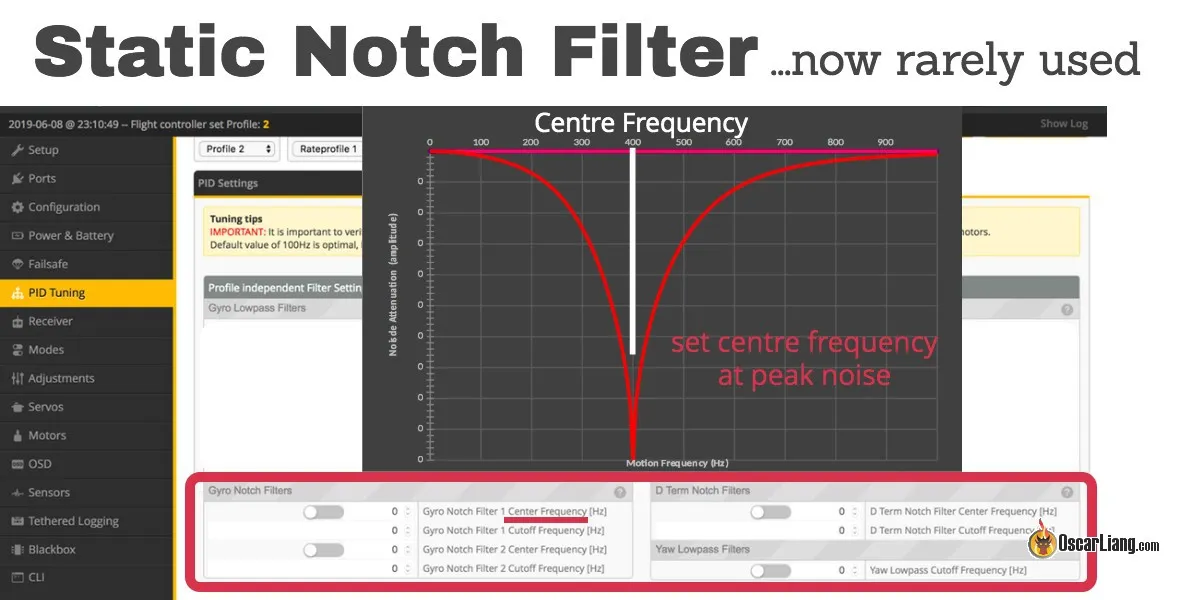
- Filter Settings: Filters remove noise from your gyro data, making your drone fly smoother. Default Betaflight settings are usually fine, but reducing filter aggressiveness can sometimes reduce latency, at the risk of increased motor noise.
- Motor Output Limits: Limiting motor output can prevent motor damage on high-kV setups or reduce prop wash oscillations.
- OSD (On-Screen Display): Customize your OSD to show critical information like battery voltage, current draw, RSSI (radio signal strength), and VTX power. This helps you monitor drone health mid-flight.
Troubleshooting & Maintenance: Keeping You in the Air
Common FPV Drone Issues and Quick Fixes
- Desyncs: Motors stop mid-flight. Often caused by aggressive tuning, damaged motors, or insufficient ESC current rating. Check motor wires, lower PIDs slightly, or update ESC firmware.
- Broken Props: The most common issue. Always carry spares. Ensure props are installed correctly (CW/CCW).
- Video Issues (Flickering, Static): Check VTX antenna connection, ensure it's not damaged. Verify VTX power output and channel. Check camera wiring.
- Motor Not Spinning: Check motor wires for continuity, inspect for bent shafts, or check ESC connection.
- No Radio Link: Ensure both radio and receiver are powered, bound, and on the correct protocol/firmware.
Pre-Flight Checks and Post-Race Care for Longevity
- Pre-Flight:
- Visual Inspection: Check for loose screws, damaged props, bent arms, or cuts in wiring.
- Battery: Ensure it's fully charged and has no puffing or damage. Securely strap it.
- Antennas: Check VTX and RX antenna connections and ensure they are positioned correctly.
- Arming Test: Arm the drone (without props!) and check motor spin direction and responsiveness.
- Post-Race:
- Clean: Remove any grass, dirt, or debris from motors and frame.
- Inspect: Look for any new damage from crashes or hard landings.
- Battery Storage: Store LiPos at storage voltage (3.8V/cell) to prolong their life.
- Review: Watch your flight footage to identify areas for improvement.
Firmware Updates and Basic Tuning for Enhanced Performance
Regularly update your Betaflight (and ESC) firmware. Developers constantly improve flight algorithms and add new features. While deep PID tuning is for advanced users, learn to adjust your rates and expo in Betaflight to match your flying style. Explore the "Filters" tab to understand how noise reduction works. Don't be afraid to experiment, but always make small changes and test them cautiously.
Frequently Asked Questions About FPV Racing
How long does it typically take to get good at FPV racing?
It varies greatly, but consistent simulator practice (100+ hours) is a strong foundation. Expect several months to a year of dedicated practice to become proficient, and years to master.
What's the best FPV racing drone for a complete beginner?
For indoor/backyard: EMAX Tinyhawk III or Betaflight Cetus X. For a first 5-inch outdoor racer, a pre-built like the iFlight Nazgul Evoque F5 is a great choice, as it's durable and performs well out of the box.
Can I race FPV drones indoors, and what equipment would I need?
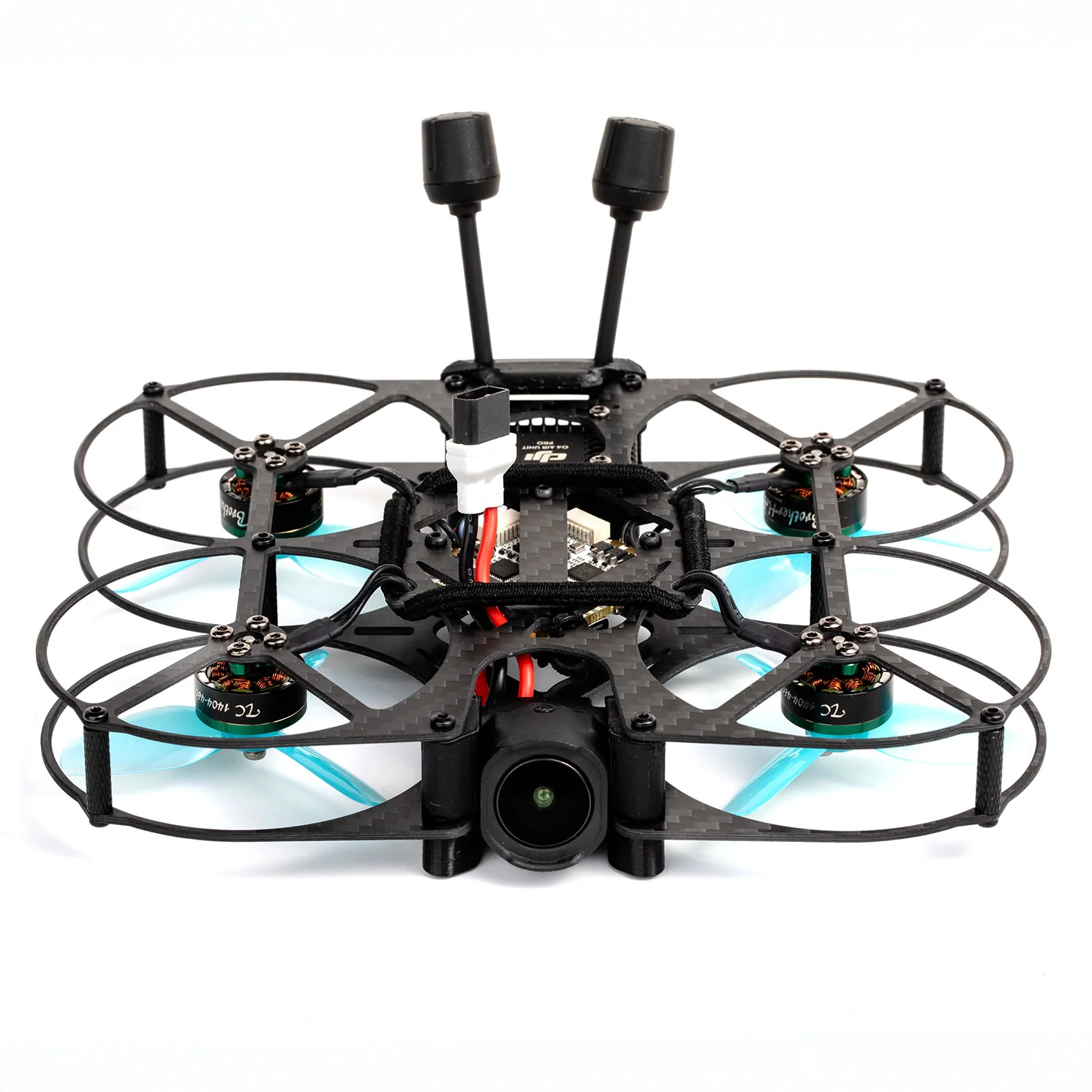
Yes! Indoor racing is popular with Tiny Whoops or Toothpick style drones. You'll need smaller drones, often with prop guards, and a small, designated track. The principles of racing remain the same, just on a smaller scale.
What are the typical costs involved in starting and maintaining FPV racing?
Initial setup (drone, goggles, radio, batteries, charger) can range from €500-€1000 for a decent beginner kit. Maintenance involves buying spare props, batteries, and occasional replacement parts, which can be €100-€300+ per month depending on how often you fly and crash.
Is FPV racing a safe hobby, and what safety precautions should I take?
FPV racing can be safe if proper precautions are taken. Always:
- Fly in designated, open areas away from people, animals, and property.
- Use a spotter, especially when flying in crowded areas or with others.
- Perform pre-flight checks.
- Handle LiPo batteries with extreme care (charging in fire-safe bags, proper storage).
- Never arm your drone with props on indoors or near your face.
- Understand and follow local drone regulations.
Conclusion: Your Journey to FPV Racing Domination
You've now got the roadmap to master FPV racing, from the foundational knowledge and simulator practice to selecting your gear and executing advanced maneuvers. Remember, the journey is as rewarding as the destination, filled with learning, challenges, and incredible aerial experiences.
The FPV community is vibrant and welcoming. Don't hesitate to join local clubs, participate in online forums, and share your progress. The sky is no longer the limit—it's your playground. So, grab your radio, charge those batteries, and get ready to dominate the track. Your FPV racing adventure starts now!
Copyright-safe media generated locally by FPVLovers