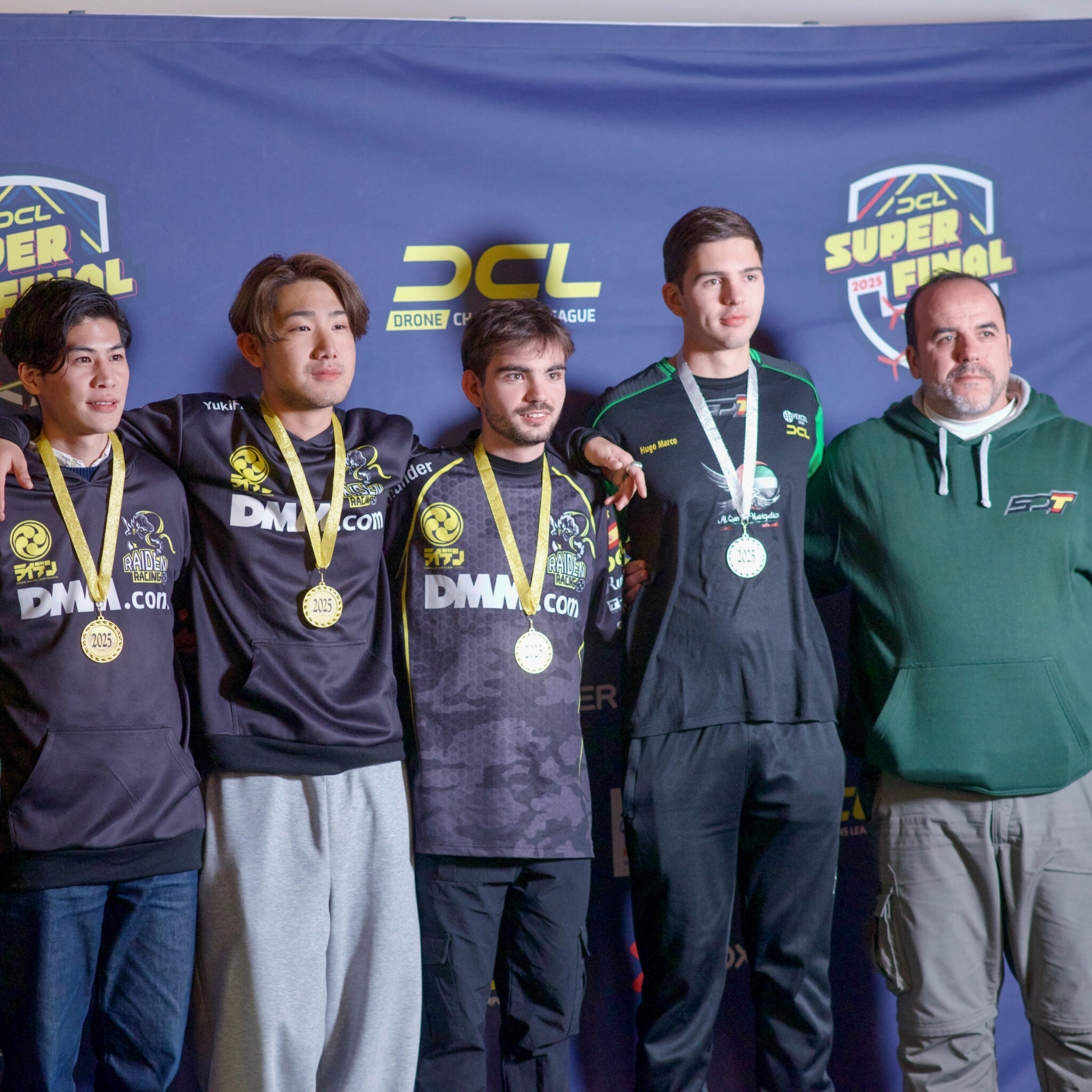
MinJae Kim: Champion of the FAI Drone Racing World Cup 2024
Announce the winner of the 2024 FAI Drone Racing World Cup and briefly introduce the pilot.
MinJae Kim: Champion of the FAI Drone Racing World Cup 2024
FPV Racing Unlocked: A Step-by-Step Tutorial for Aspiring Pilots to Master the Track
Ever dreamt of piloting a high-speed drone through a challenging course, feeling every turn and acceleration as if you were in the cockpit? FPV (First Person View) racing offers an unparalleled adrenaline rush, combining lightning-fast reflexes with strategic thinking. But how do you go from a curious beginner to a confident pilot mastering the track? This comprehensive guide, "FPV Racing Unlocked," will take you step-by-step through everything you need to know, from choosing your first gear and mastering simulators to developing winning race strategies. Get ready to not just fly, but to truly race!
The Thrill of FPV Racing: What It Is and Why You'll Love It
FPV racing isn't just flying; it's an extreme sport that pushes the boundaries of drone technology and pilot skill. Imagine strapping on a pair of goggles that give you the first-person perspective of a drone screaming through a custom-built course, navigating gates, flags, and obstacles at speeds often exceeding 150 km/h (90 mph).
Defining FPV Racing: Speed, Agility, and Immersion
At its core, FPV racing involves pilots competing to complete a designated aerial course in the fastest time. These courses are typically set up with gates, flags, and sometimes natural obstacles, demanding incredible precision, speed, and agility from both the drone and the pilot. The "first-person view" comes from a camera on the drone transmitting live video wirelessly to the pilot's goggles, creating an immersive experience akin to being in the cockpit. This direct visual feedback is what makes FPV racing so captivating and challenging.
The Allure of the Race: Adrenaline, Skill, and Community
The appeal of FPV racing is multifaceted. For many, it's the sheer adrenaline rush of pushing a high-performance machine to its limits. For others, it's the continuous pursuit of skill development – mastering throttle control, perfecting racing lines, and reacting instantaneously to dynamic situations. Beyond the individual challenge, FPV racing boasts a vibrant and supportive community. Pilots share tips, help with builds, and compete in friendly (and often highly competitive) races, fostering a strong sense of camaraderie.
Racing vs. Freestyle: Understanding Your Flight Path
While often flown with similar equipment, FPV racing and FPV freestyle are distinct disciplines:
- FPV Racing: Focused on speed, efficiency, and completing a defined course in the shortest time. Pilots aim for smooth, precise lines and consistent performance. The goal is to win the race.
- FPV Freestyle: Focused on creative aerial maneuvers, tricks, and expressive flying. Pilots might fly through abandoned buildings (cinewhooping), perform intricate dives (diving), or execute complex acrobatic sequences. The goal is artistic expression and pushing flight boundaries.
This guide focuses specifically on getting you started with the competitive thrill of FPV racing.
Your Essential Gear: Building Your FPV Racing Foundation
To embark on your FPV racing journey, you'll need a few core pieces of equipment. Think of these as the fundamental tools in your pilot's kit.
The Core Components: Drone, Goggles, Radio, Batteries
Your basic FPV racing setup will consist of:
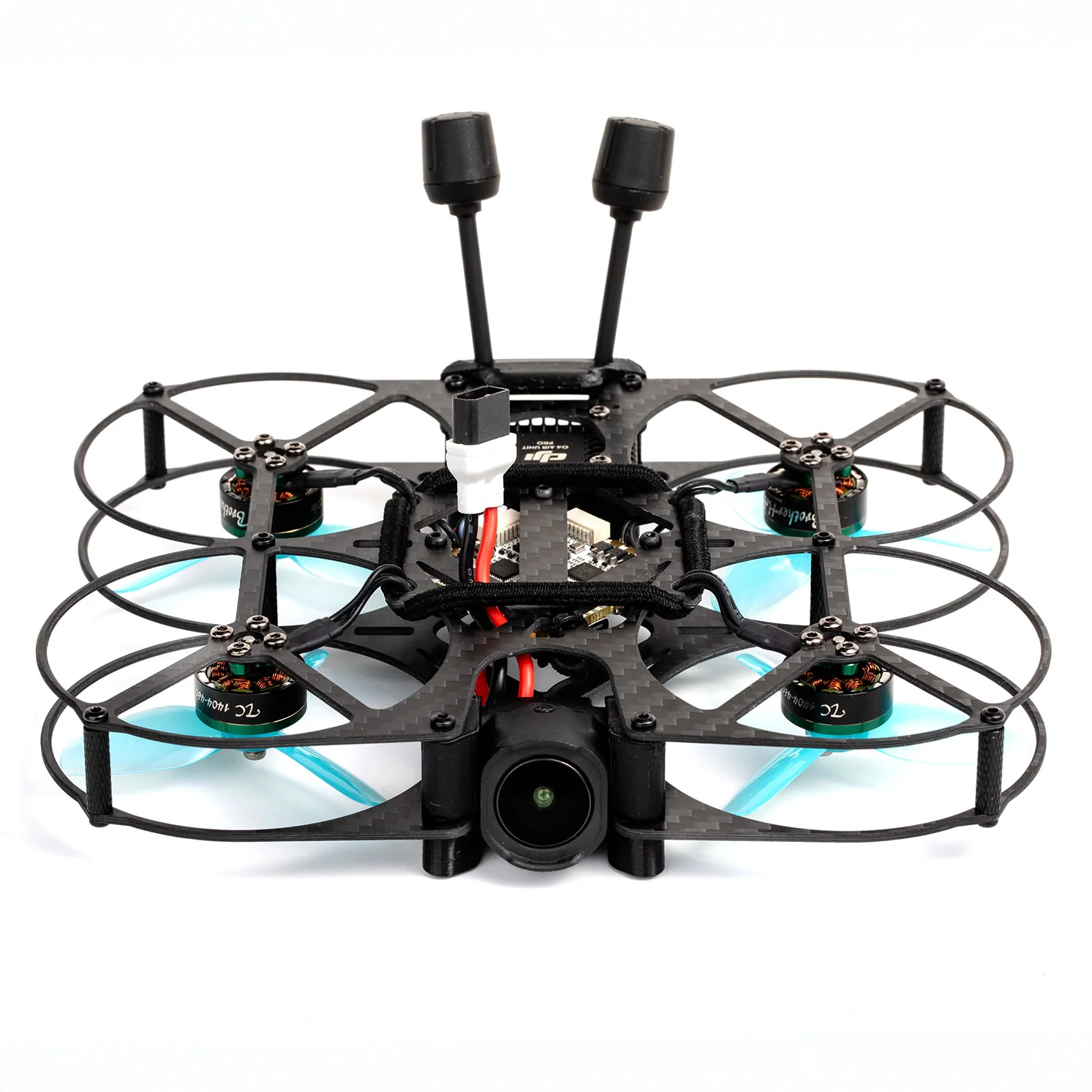
- FPV Drone: The flying machine itself, optimized for speed and agility.
- FPV Goggles: To receive the live video feed from the drone's camera.
- Radio Transmitter (Tx): Your remote control to command the drone.
- LiPo Batteries and Charger: To power your drone and keep you flying.
- Essential Accessories: Spare propellers, basic tools, a LiPo checker, etc.
FPV Goggles: Your Immersive Viewpoint
Your goggles are your window into the drone's world. They receive the video signal from the drone's VTX (Video Transmitter). There are two main types:
- Analog: The traditional and more budget-friendly option. While the image quality isn't HD, the latency (delay) is extremely low, which is crucial for racing. Good entry-level analog goggles include the Eachine EV800D (box goggles) or the Skyzone Cobra X (goggle-style).
- Digital HD: Offer significantly sharper, clearer images. Popular digital systems include DJI FPV (with Goggles V2/2/Integra), Walksnail Avatar HD, and HDZero. While offering a stunning view, early digital systems sometimes had slightly higher latency, though this has improved dramatically. For pure racing, many still prefer analog for its zero-perceived latency, but digital is quickly catching up and offers a much better experience for general flying and freestyle.
Practical Tip: As a beginner, starting with decent analog goggles is often recommended due to lower cost and proven racing performance. You can always upgrade to digital later as you progress.
Radio Transmitter: Your Connection to the Drone
Your radio transmitter is how you tell your drone what to do. It's a critical piece of equipment that you'll use not just for flying, but also extensively with simulators. Look for a radio that feels comfortable in your hands and supports popular protocols like ELRS (ExpressLRS) or Crossfire, which offer excellent range and low latency.
Recommended beginner radios:
- RadioMaster Zorro: Compact, ergonomic, and highly capable, available with internal ELRS or 4-in-1 multi-protocol modules.
- RadioMaster Boxer: A larger, full-size radio with excellent gimbals, also available with ELRS or 4-in-1.
- Jumper T-Lite V2: An even more compact, game-controller-style radio, good for portability.
Practical Tip: Invest in a good radio from the start. You'll likely use this same radio for years, across multiple drones and simulators. Don't skimp here!
Powering Up: Batteries, Chargers, and Safety
FPV drones are powered by Lithium Polymer (LiPo) batteries. These are high-performance but require careful handling.
- LiPo Batteries: You'll typically use 4S (14.8V) or 6S (22.2V) LiPo batteries for 5-inch racing drones, with capacities ranging from 1100mAh to 1500mAh. The "C-rating" indicates how quickly the battery can discharge – higher is generally better for racing (e.g., 75C or 100C).
- LiPo Charger: A good balance charger (e.g., ISDT Q6 Nano, HOTA D6 Pro) is essential. It ensures each cell in your battery is charged equally, prolonging battery life and preventing hazards.
- Safety: Always charge LiPos in a fire-safe bag or container, never leave them unattended while charging, and never over-discharge them. Damaged LiPos should be safely disposed of.
Practical Tip: Start with at least 4-6 batteries. Your flight times will be short (2-4 minutes for racing), and more batteries mean more practice time per session.
Master the Virtual Skies: The Indispensable Role of FPV Simulators
Before you even think about flying a real drone, you absolutely must spend significant time on an FPV simulator. This isn't just a suggestion; it's a non-negotiable step for any aspiring FPV pilot.
Why Simulators Are Your Best Training Ground
Simulators offer a risk-free environment to learn the complex controls of an FPV drone. You can crash thousands of times without damaging expensive equipment or injuring yourself. They help you:
- Develop crucial muscle memory for stick inputs.
- Understand throttle management and line control.
- Learn basic maneuvers and advanced tricks.
- Familiarize yourself with various tracks and environments.
- Experiment with different drone setups without real-world consequences.
Practical Tip: Connect your actual FPV radio transmitter to your computer to use with the simulator. This ensures the muscle memory you build directly translates to your real drone.
Top FPV Racing Simulators for Beginners
Several excellent FPV simulators are available, each with its strengths:
- Velocidrone: Widely regarded as one of the most realistic FPV racing simulators. It features excellent physics, a vast array of tracks (including many real-world race tracks), and customizable drone settings. Highly recommended for serious racers.
- LiftOff: Offers good physics and stunning graphics, with a mix of racing and freestyle environments. It's very immersive and enjoyable.
- DRL Simulator (Drone Racing League): Features official DRL tracks and a competitive leaderboard. The physics are good, and it's a great way to experience high-level racing.
- Uncrashed: Known for its beautiful, open-world environments and realistic physics, offering both racing and freestyle elements.
Structured Simulator Practice: Drills for Success
Don't just haphazardly fly around in the simulator. Follow a structured practice routine:
- Basic Hover and Yaw Control: Practice holding a steady hover and smoothly rotating the drone (yaw) in both directions.
- Figure Eights: Fly smooth figure-eight patterns, focusing on consistent turns and throttle control.
- Gate Practice: Set up simple gates and practice flying through them from different angles, focusing on a consistent racing line.
- Track Memorization: Choose a specific race track and practice it repeatedly, aiming for smoother lines and faster lap times.
- Throttle Management: Learn to use just enough throttle to maintain altitude and speed, avoiding sudden bursts unless necessary.
Transitioning from Simulator to Real-World Flight
When you feel confident in the simulator, the transition to real flight should still be approached with caution.
- Start Slow: Find a large, open, and empty field.
- Small Steps: Begin with simple hovers and gentle forward flight. Don't attempt complex maneuvers immediately.
- Expect Differences: Real-world physics, wind, and the true sensation of speed will feel different from the simulator. Be patient with yourself.
- Short Sessions: Your first real flights might be short. Focus on controlled take-offs and landings.
Your First Racing Drone: Choosing or Building Your Speed Machine
Deciding on your first racing drone is an exciting step. You have options ranging from ready-to-fly kits to custom builds.
Ready-to-Fly (RTF) vs. Bind-and-Fly (BNF) Kits for Beginners
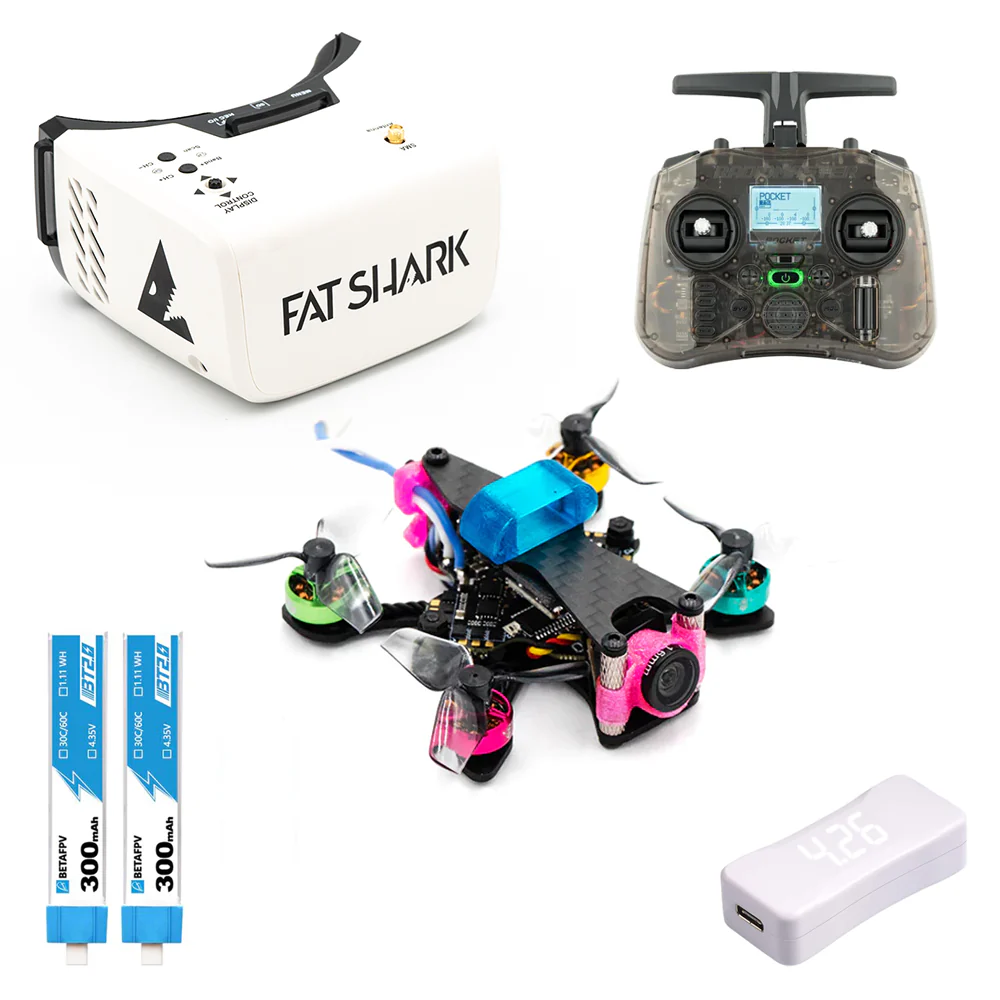
- Ready-to-Fly (RTF) Kits: These are complete packages that include the drone, goggles, radio, and batteries – everything you need to start flying right out of the box (after charging). They are the easiest way for beginners to get into FPV. Examples include the BetaFPV Cetus X Kit or the Eachine Novice-IV.
- Bind-and-Fly (BNF) Kits: These drones come fully assembled and configured, but they don't include a radio or goggles. You'll need to "bind" your existing radio to the drone's receiver. This is a great option if you've already invested in a good radio.
Practical Tip: For absolute beginners, an RTF kit is often the most hassle-free entry point. If you've spent time on a simulator with a good radio, a BNF drone might be a better value, allowing you to choose better goggles.
Key Specifications for a Beginner Racing Drone
While you won't be building a cutting-edge racer for your first drone, understanding key specs is helpful:
- Frame Size: For outdoor racing, 5-inch frames are standard (referring to the propeller size). Smaller "whoops" (e.g., Happymodel Mobula7) are great for indoor or backyard practice.
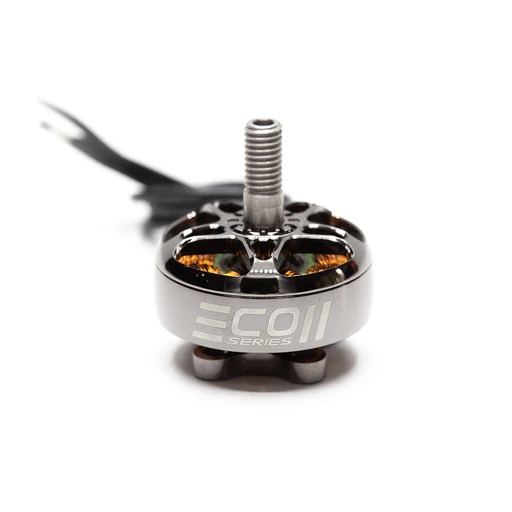
- Motors: Look for brushless motors. The KV rating (e.g., 2300KV for 4S, 1700KV for 6S) indicates RPM per volt.
- Flight Controller (FC): The "brain" of the drone, running firmware like Betaflight. Most modern FCs are highly capable.
- ESC (Electronic Speed Controller): Controls motor speed. Look for 4-in-1 ESCs for simpler builds.
- VTX (Video Transmitter): Sends video to your goggles. Ensure it's compatible with your goggle type (analog or digital).
- Receiver (Rx): Receives commands from your radio. Ensure it matches your radio's protocol (e.g., ELRS, Crossfire).
Basic Drone Assembly and Setup (If Choosing to Build/Modify)
If you opt for a BNF or decide to build later, you'll encounter some basic assembly and setup:
- Physical Assembly: Attaching propellers (ensure correct direction!), mounting antennas, securing batteries.
- Binding: Connecting your radio transmitter to the drone's receiver. This is a one-time process.
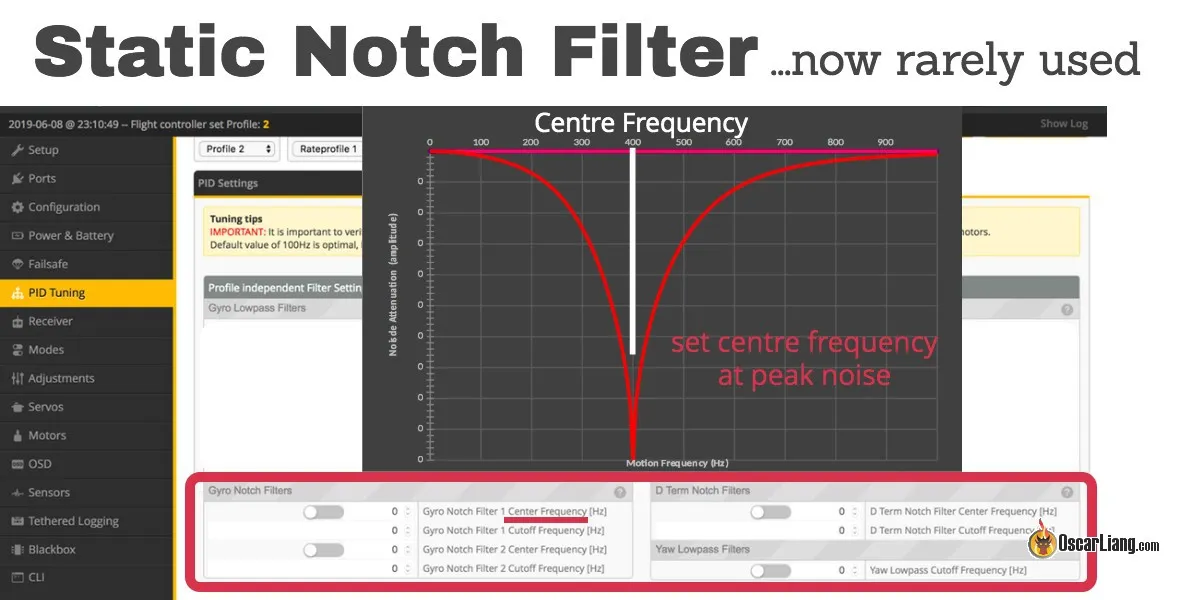
- Betaflight Configuration: This is software run on your computer that connects to the flight controller. For beginners, often the default PIDs (Proportional, Integral, Derivative – tuning parameters) are sufficient. You'll mostly use Betaflight to set up arming switches, flight modes, and OSD (On-Screen Display) elements.
Initial Drone Configuration and First Arming
Before your first flight:
- Check Propeller Direction: CRITICAL! Incorrectly mounted props will make the drone flip immediately upon arming. Double-check your manual.
- Arming Switch: Configure a dedicated arming switch on your radio in Betaflight. This is your safety kill switch.
- Pre-Flight Check: Always check battery voltage, prop direction, and ensure no loose wires before arming.
- Arming: In a safe, open area, arm your drone. It should sit level. If it tries to flip, disarm immediately and re-check props/configuration.
Developing Your Pilot Skills: From Basic Flight to Race Strategy
Once you're comfortable with the basics, it's time to refine your skills and think like a racer.
Understanding Flight Modes: Stabilized vs. Acro
FPV drones typically have two primary flight modes:
- Stabilized Mode (Angle/Horizon): Often called "Beginner Mode." The drone automatically levels itself when you release the sticks. Angle mode has a maximum tilt angle, while Horizon mode allows flips and rolls but still self-levels. This mode is good for initial hovering but not for racing.
- Acro Mode (Rate Mode): This is the standard for FPV racing and freestyle. The drone does not self-level. It holds its last orientation, requiring constant stick input to maintain position and direction. This mode gives you full, direct control, allowing for precise maneuvers, flips, and rolls.
Practical Tip: While tempting, don't rely on stabilized modes for too long. Transition to Acro mode as soon as possible, ideally in the simulator first. All serious FPV racing is done in Acro.
Fundamental Control Techniques: Throttle, Yaw, Pitch, Roll
Mastering these four controls is key:
- Throttle (Left Stick Up/Down): Controls altitude and vertical thrust. Smooth throttle management is crucial for maintaining consistent speed and altitude through a race track.
- Yaw (Left Stick Left/Right): Rotates the drone horizontally around its vertical axis. Used for steering and aiming the drone through gates.
- Pitch (Right Stick Up/Down): Tilts the drone forward or backward. Tilting forward increases speed; tilting backward slows down.
- Roll (Right Stick Left/Right): Tilts the drone left or right. Used for banking turns and correcting sideways drift.
Practical Tip: Practice coordinating pitch and roll for smooth turns. For example, to turn right, you'll pitch forward (to gain speed/momentum) and roll right (to bank into the turn), using yaw to fine-tune your heading.
Navigating the Track: Gates, Flags, and Racing Lines
FPV racing courses are designed to test your precision and speed.
- Gates: These are the primary obstacles you must fly through. Focus on entering and exiting smoothly.
- Flags/Air Gates: Often used to define turning points or require specific maneuvers.
- Racing Lines: The optimal path through a course that minimizes distance and maximizes speed. This often means cutting corners, flying tight to gates, and maintaining momentum.
Practical Tip: Walk the track before flying! Visualize your lines, entry and exit points for each gate, and where you'll need to accelerate or brake.
Beginner Racing Strategies: Consistency Over Speed
For new racers, the goal isn't necessarily to be the fastest, but to be the most consistent.
- Smoothness is Key: Jerky movements waste energy and time. Aim for fluid, controlled flight.
- Maintain Momentum: Avoid coming to a complete stop. Carry speed through turns.
- Focus on the Next Gate: Don't get fixated on the gate you're currently flying through. Always be looking ahead to plan your next move.
- Avoid Crashes: Every crash costs valuable time. A slightly slower, but clean, lap is always better than a fast lap followed by a crash.
- Practice, Practice, Practice: Repetition builds confidence and muscle memory.
Buyer's Guide: Recommended Starter FPV Racing Setups
Here are some specific recommendations to help you get started without breaking the bank.
All-in-One Beginner FPV Kits (RTF/BNF)
- BetaFPV Cetus X FPV Kit: A fantastic RTF kit that includes a high-performance 2S brushless drone, a comfortable radio, and decent FPV goggles. It's powerful enough for outdoor flight but also nimble.
- Eachine Novice-IV RTF Kit: Another popular entry-level RTF kit that offers a complete package for beginners.
- Happymodel Mobula7 (BNF): While technically a "whoop" (small, ducted drone), the Mobula7 is an excellent BNF option for practicing indoors or in small backyards. It's incredibly durable and teaches excellent throttle control before moving to larger drones.
Recommended Goggles for New Pilots (Budget vs. Features)
- Budget Analog: Eachine EV800D: An excellent value box goggle with a built-in DVR (Digital Video Recorder) for recording your flights. Good image quality for the price.
- Mid-Range Analog: Skyzone Cobra X V2: A more traditional goggle form factor with good features, diversity receivers, and a DVR. A solid step up from box goggles.
- Entry Digital (Upgrade Path): If your budget allows, consider the DJI FPV Goggles V2/2/Integra paired with a compatible digital drone. The visual experience is unmatched, though the initial investment is higher.
Best Radio Transmitters for Learning and Progression
- RadioMaster Zorro (ELRS or 4-in-1): A top recommendation for its comfort, portability, and robust feature set. ELRS versions are excellent for futureproofing.
- RadioMaster Boxer (ELRS or 4-in-1): For those who prefer a larger, full-size radio, the Boxer offers premium gimbals and a great feel.
- Jumper T-Lite V2 (ELRS or 4-in-1): A super compact option, great for travel, but some might find the smaller gimbals less precise than the Zorro or Boxer.
Essential Accessories and Spares to Get Started
- Spare Propellers: You will crash, and props will break. Buy several sets (e.g., 10-20 pairs).
- LiPo Checker: A small device to quickly check your battery voltage.
- Basic Tool Kit: Small screwdrivers, hex wrenches, pliers, tweezers.
- LiPo Safe Bag: For charging and storing your batteries safely.
- Velcro Battery Straps: To secure your batteries to the drone.
- Soldering Iron (Optional but Recommended): For future repairs or modifications.
Frequently Asked Questions About FPV Racing
How long does it take to become proficient in FPV racing?
Proficiency varies greatly by individual, but consistent simulator practice (30-60 minutes daily) can get you comfortable with basic flight in a few weeks. To become a truly competitive racer, it can take months or even years of dedicated practice, learning, and refining techniques. Patience is key!
Is FPV racing an expensive hobby to get into?
The initial investment for a beginner RTF kit can range from $250 - $500. However, like any hobby, it can become more expensive as you upgrade equipment, buy more drones, and factor in repair costs (which are inevitable). Compared to some other motorsports, it's relatively accessible.
Can I race my FPV drone anywhere?
No. You should only fly your FPV drone in legal, safe, and open areas, away from people, private property, airports, and restricted airspace. Always check local regulations and consider joining a local FPV club, which often has designated flying fields. Never fly recklessly or endanger others.
What's the most common mistake new FPV racers make?
The most common mistake is trying to go too fast, too soon, especially in real life without enough simulator practice. This leads to frequent crashes, frustration, and costly repairs. Focus on smooth, consistent flight and mastering basic control before attempting high speeds or complex maneuvers. Another common mistake is neglecting LiPo battery safety.
Conclusion
The world of FPV racing is exhilarating and constantly evolving. By following this guide, you've laid a strong foundation for your journey from aspiring pilot to track master. Remember, consistency in practice, patience, and a willingness to learn are your greatest assets. Now, it's time to take that knowledge, fire up your simulator, or head to your local flying field. The gates are open, and your first race awaits! Ready to take flight? Share your FPV racing journey in the comments below or find a local FPV community to connect with today!
Copyright-safe media generated locally by FPVLovers