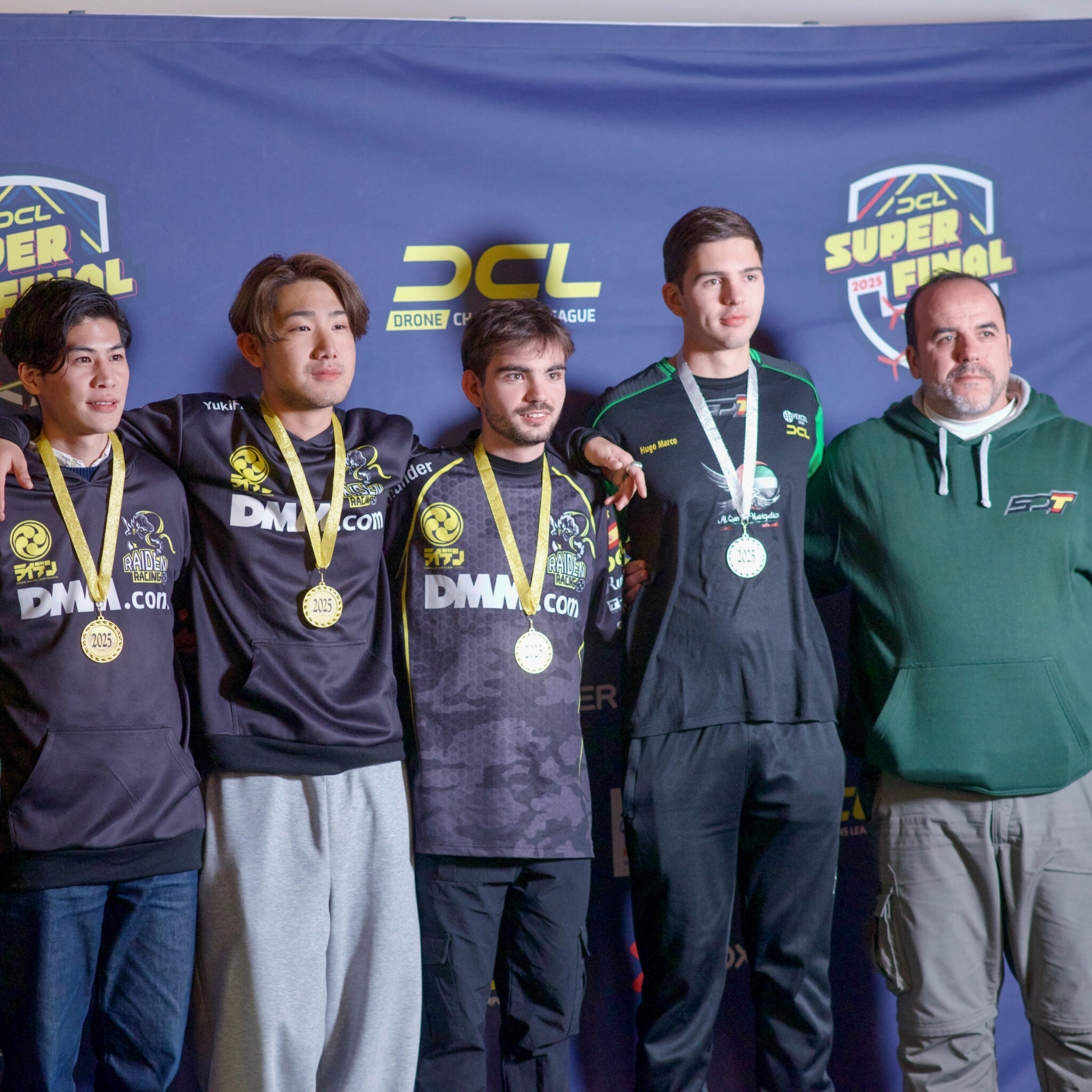
DCL 2026 Season Begins with New Pilot Draft Selection
Announces the start of the DCL 2026 season and the ongoing draft selection process for new talent, highlighting the four pilots already selected.
DCL 2026 Season Begins with New Pilot Draft Selection
Master FPV Racing: Your Beginner's Blueprint & Tips
Ever dreamt of soaring through the air at breakneck speeds, navigating intricate courses with precision, and feeling every twist and turn as if you were truly inside the cockpit? Welcome to the exhilarating world of FPV racing! This isn't just flying; it's an immersive, high-octane sport that blends cutting-edge technology with incredible pilot skill. If you're ready to trade your spectator seat for the pilot's goggles, this comprehensive blueprint is your ultimate guide. From mastering the basics in a simulator to lining up for your first real-world race, we'll equip you with the knowledge, tips, and confidence to become a formidable FPV pilot. Let's ignite your journey into the skies!
What is FPV Racing and Why Should You Dive In?
The Adrenaline Rush of First-Person View
FPV, or First-Person View, flying is unlike anything you've experienced. A tiny camera mounted on your drone transmits live video directly to your goggles, immersing you completely. It feels as if you're sitting in the cockpit, giving you an unparalleled sense of speed, agility, and control. FPV racing takes this immersion to the next level, pitting pilots against each other on challenging courses filled with gates, flags, and obstacles. The sheer speed (often exceeding 100-150 km/h), the precision required, and the competitive thrill create an adrenaline rush that's truly addictive.
A Glimpse into the FPV Racing World
FPV racing involves navigating multi-rotor drones through a defined track as fast as possible. Courses can be indoors or outdoors, featuring illuminated gates, flags, and natural obstacles. Drones typically fall into different classes based on their size (e.g., 5-inch for outdoor racing, tiny "whoops" for indoor). It's a sport that demands technical skill to build and maintain your drone, quick reflexes to react to the course, and strategic thinking to find the fastest line. Beyond the competition, FPV racing boasts a global community of passionate pilots eager to share knowledge and help newcomers.
Is FPV Racing Right for You?
FPV racing is incredibly rewarding, but it does come with a learning curve and requires dedication. You'll spend hours practicing, troubleshooting, and occasionally repairing your drone. However, for those who love technology, enjoy a challenge, and crave a unique competitive experience, FPV racing offers immense satisfaction. The progression from struggling to hover to flawlessly executing complex maneuvers is incredibly gratifying. If you're ready to commit, the skies are truly the limit.
Your Pilot Training Starts Here: Simulator Mastery
Why Simulators are Non-Negotiable for Beginners
Before you even think about buying a drone, start with a simulator! FPV simulators are your ultimate training ground. They allow you to develop crucial muscle memory, stick control, and an intuitive understanding of drone physics without the risk of crashing and damaging expensive hardware. This saves you significant time and money in repairs, accelerates your learning, and builds confidence before your first real flight. Think of it as flight school for FPV pilots.
Choosing the Best FPV Racing Simulators
Several excellent FPV simulators are available, each with its strengths:
- Velocidrone: Widely regarded as having the most realistic physics, making it a favorite among professional racers. It offers a vast array of tracks and drones.
- DRL Simulator (Drone Racing League): Great graphics and a fun, competitive environment with official DRL tracks. Physics are very good, though some argue Velocidrone is slightly more accurate.
- LiftOff: Excellent graphics and a strong focus on freestyle and realistic environments. Physics are solid, and it offers a good balance for both racing and trick practice.
- Uncrashed: Known for its stunningly realistic graphics and immersive environments, offering a more visually appealing experience while maintaining good physics.
Invest in at least one of these. They typically cost between $10-$20 USD and are a fraction of the cost of a single drone repair.
Essential Drills for Building Muscle Memory
Start simple and gradually increase complexity:
- Hovering: Practice holding your drone steady in one spot. Focus on minute stick adjustments to maintain altitude and position.
- Forward Flight & Turns: Fly in a straight line, then practice smooth, controlled turns. Start with wide turns, gradually tightening them.
- Figure Eights: Master smooth transitions between left and right turns, maintaining altitude.
- Gate Navigation: Start with simple, wide gates, then progress to tighter, more complex gate sequences. Focus on smooth entry and exit.
- Power Loops: A fundamental racing maneuver where you fly over an obstacle (like a gate) and then loop back underneath it.
- Split-S: Another crucial maneuver for quickly changing direction and altitude, often used to go under a gate after flying over it.
Dedicate at least 30 minutes to an hour daily to simulator practice. You'll be amazed at your progress!
Connecting Your Radio Transmitter to the Sim
For the most realistic experience, use your actual FPV radio transmitter with the simulator. Most modern radios connect to your computer via a USB-C cable, which acts as a joystick input.
- Connect: Plug your radio into your PC.
- Select USB Mode: Your radio might prompt you to select a USB mode (e.g., "Joystick" or "HID"). Choose the appropriate option.
- Calibrate: Open your chosen simulator's settings. You'll need to calibrate your sticks and assign channels (throttle, roll, pitch, yaw). Ensure your arm switch is configured and working.
This setup ensures that the muscle memory you build in the sim directly translates to flying your real drone.
Gearing Up: Essential FPV Racing Equipment for Beginners
The Command Center: Radio Transmitter Selection
Your radio transmitter (controller) is your direct link to the drone. For beginners, focus on ergonomics, reliable protocol support, and durable gimbals.
- Protocols: Look for radios supporting ELRS (ExpressLRS), which is rapidly becoming the standard due to its excellent range, low latency, and robust signal. Crossfire and FrSky are also common but ELRS offers superior performance for racing.
- Gimbals: Hall effect gimbals are more durable and precise than traditional potentiometer gimbals.
- Recommendations:
- Radiomaster Zorro: Compact, console-style, excellent gimbals, multi-protocol or ELRS options.
- Radiomaster Pocket: Even smaller, more budget-friendly, also available with ELRS.
- Jumper T-Lite V2: Similar to Zorro, good value.
Choose a radio that feels comfortable in your hands for extended practice sessions.
Your Eyes in the Sky: FPV Goggles Explained
FPV goggles are your window into the drone's world. They come in two main types:
- Box Goggles: Larger, often more affordable, and sometimes offer a wider field of view (FOV). Great for beginners due to their price point.
- Recommendation: Eachine EV800D offers good value with a diversity receiver.
- Slimline Goggles: More compact, lighter, and typically offer higher resolution and advanced features.
- Recommendation: Skyzone Cobra X (analog, mid-range) or Fat Shark Recon HD (digital, entry-level).
Analog vs. Digital:
- Analog: Traditional, affordable, lower resolution, but very low latency and gracefully degrades signal (static). Most beginner drones use analog.
- Digital: Higher resolution, clearer image, but typically higher cost and can have a sudden signal drop-off. Popular systems include DJI Goggles 2/Integra (used with DJI O3 Air Unit), Walksnail Avatar HD Goggles X, and HDZero Goggles. For starting out, analog is perfectly fine and more budget-friendly.
The Heart of the System: FPV Drone Components
While you might start with a Ready-to-Fly (RTF) kit, understanding the basic components is helpful:
- Frame: The chassis, usually carbon fiber for durability. Common sizes for racing are 5-inch (propeller size).
- Flight Controller (FC): The "brain" of the drone, running software like Betaflight. It interprets your radio commands and stabilizes the drone.
- ESCs (Electronic Speed Controllers): Convert signals from the FC into power for the motors.
- Motors: Brushless motors that spin the propellers.
- Propellers: Generate thrust. Direction and pitch are crucial.
- FPV Camera: Captures the live video feed.
- Video Transmitter (VTX): Sends the camera's video signal to your goggles.
Powering Your Passion: Batteries and Chargers
- LiPo Batteries: FPV drones use Lithium Polymer (LiPo) batteries. Key specs:
- Cell Count (S): 4S (14.8V) and 6S (22.2V) are common for racing drones. Higher S means more power.
- Capacity (mAh): Milliamper-hours, indicates flight time. 1300-1500mAh for 5-inch racing drones.
- C-Rating: Discharge rate. Higher C-rating means the battery can deliver more current, crucial for high-performance racing. Aim for 75C or higher.
- Charger: A good balance charger is essential for LiPo safety and longevity.
- Recommendation: ToolkitRC M6DAC or HTRC T240 DUO are popular choices offering multiple charging ports.
Battery Safety is PARAMOUNT: Always charge LiPos on a fire-resistant surface, never leave them unattended, and store them at storage voltage (3.8V per cell).
From Box to Sky: Setting Up Your First FPV Racing Drone
Understanding Your Ready-to-Fly (RTF) or Bind-and-Fly (BNF) Drone
For beginners, Ready-to-Fly (RTF) or Bind-and-Fly (BNF) kits are highly recommended.
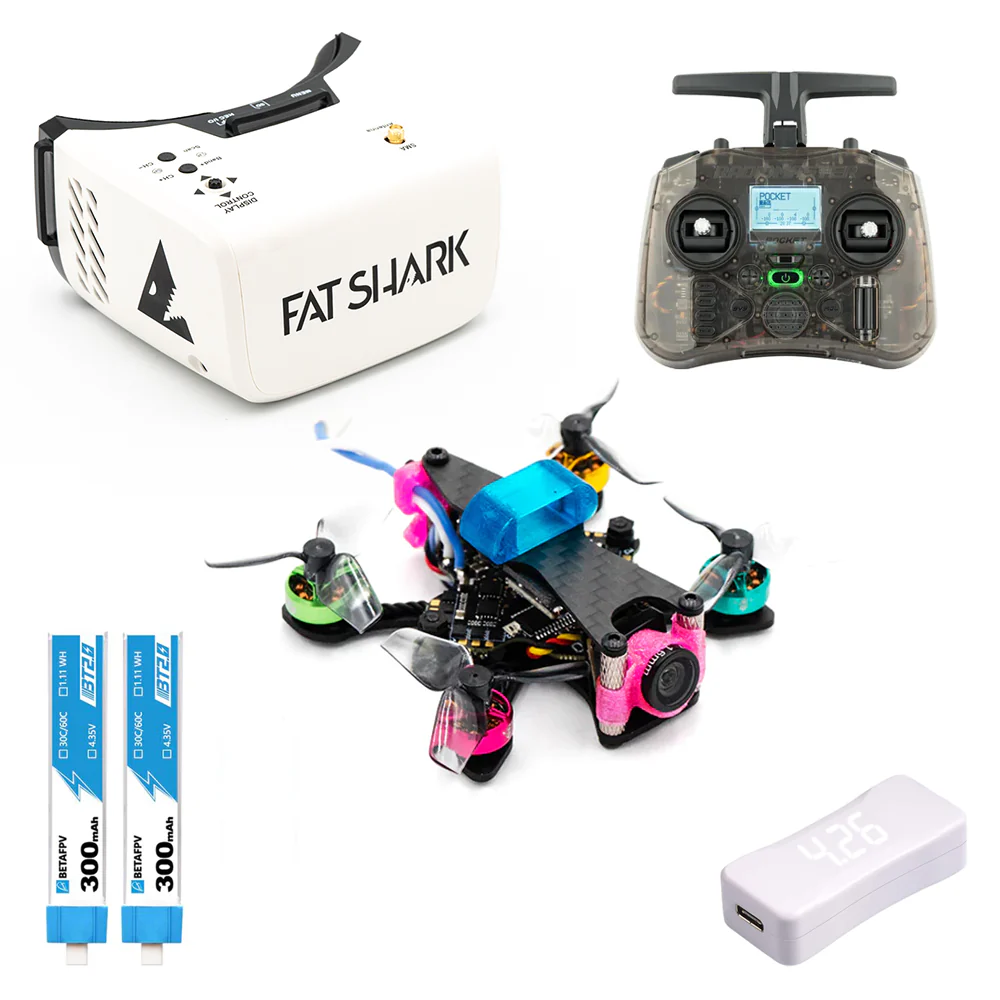
- RTF Kits: Include everything you need: drone, radio, goggles, batteries, and charger. Perfect for absolute beginners.
- Examples: BetaFPV Cetus X Kit, Emax Tinyhawk III Plus Freestyle RTF Bundle.
- BNF Drones: Come fully assembled but require you to supply your own radio and goggles. Great if you already have a radio from simulator practice.
- DIY Builds: While rewarding, building your own drone is best left until you have some flying experience and understand the components better.
Initial Setup: Binding Your Radio and Basic Configuration
Once you have an RTF or BNF drone:
- Charge Batteries: Fully charge your drone's LiPo batteries and your goggle battery.
- Bind Your Radio: This process links your radio transmitter to your drone. It varies slightly by radio and receiver protocol (e.g., ELRS binding phrase, FrSky D8/D16 mode). Refer to your drone's manual for specific instructions.
- Betaflight Configurator: This is software for your computer to configure the drone.
- Connect your drone to your PC via USB.
- Open Betaflight Configurator.
- Modes Tab: Set up your arm switch (essential!), angle mode (for beginners), and possibly a "beeper" switch to find your drone after a crash.
- Receiver Tab: Ensure your stick inputs (roll, pitch, yaw, throttle) are registering correctly and in the right direction. Adjust if necessary.
Start with Angle Mode: This mode self-levels the drone, making it much easier to learn. As you gain confidence, you'll transition to Acro Mode for racing.
Safety First: Pre-Flight Checks and Arming Procedures
Before every flight, perform these crucial safety checks:
- Environment: Fly in a wide-open, safe area, away from people, animals, and property.
- Propellers: Ensure props are installed correctly (spinning in the right direction) and securely tightened.
- Battery: Securely connect the LiPo battery and strap it down tightly.
- VTX Channel: Verify your drone's video transmitter is on the correct channel and frequency, matching your goggles, to avoid interfering with others.
- Goggles: Power on your goggles and ensure you have a clear video feed.
- Arming Sequence: Stand clear of the drone, power on your radio, then connect the battery to the drone. Wait for the drone to initialize. Only arm the drone (using your assigned arm switch) when you are ready to fly and have a clear path. Never arm indoors or near your face!
Your Maiden Flight: Gentle Introductions
Your first real-world flight will be exhilarating!
- Open Space: Choose a large, empty field, far from obstacles.
- Gentle Hover: Arm the drone and slowly increase throttle to lift off. Practice gentle hovering first, getting a feel for the controls.
- Small Movements: Gradually introduce small forward, backward, and sideways movements.
- Short Flights: Keep initial flights short (2-3 minutes) to avoid completely draining your battery, which can damage it.
- Patience: Don't get discouraged by crashes. They are part of the learning process. Disarm immediately after any crash.
Mastering the Track: Advanced Techniques and Progression
Core FPV Racing Maneuvers: Gates, Corners, and Flips
- Precise Gate Negotiation: Focus on smooth, controlled entries and exits. Look ahead to the next gate, not just the current one.
- Smooth Cornering: This is where races are won. Learn to manage your throttle through turns, using yaw (rudder) and roll simultaneously to maintain momentum and a tight line. Avoid jerky movements.
- Power Loops & Split-S: Practice these in the simulator until they are second nature. They are vital for efficiency and speed on complex tracks.
Line Management and Race Strategy
Finding the fastest "line" through a course is key. This often means taking the widest entry into a corner and the tightest exit, maximizing your speed through the straightaways. Learn to anticipate the course, looking several gates ahead, and managing your throttle to maintain flow rather than constantly stopping and accelerating. Different track layouts will demand different strategies.
Tuning Your Drone for Peak Performance
While advanced PID tuning is complex, beginners can benefit from adjusting Rates in Betaflight. Rates determine how sensitive your drone is to stick input.
- Lower Rates: Make the drone less twitchy, easier to control for learning.
- Higher Rates: Make the drone more responsive and agile for faster racing. Experiment with small adjustments to find what feels comfortable and responsive for your flying style.
Analyzing Your Flights and Continuous Improvement
Record every flight using a DVR (Digital Video Recorder) in your goggles or on your drone's FC. Reviewing your footage is crucial for improvement:
- Identify mistakes: Where did you lose speed? Where were your lines inefficient?
- Compare with pros: Watch videos of experienced racers on the same tracks to see their lines and techniques.
- Consistent Practice: The more you fly (both in sim and real life), the better you'll become.
Beyond the Screen: Joining the FPV Racing Community
Understanding FPV Racing Rules and Etiquette
When joining events, understanding rules and etiquette is important:
- Frequency Management: Before powering on your drone, always check with race organizers or fellow pilots to ensure you're on a clear VTX channel to avoid interfering with others' video feeds.
- Safety Protocols: Always arm in designated areas, keep props off when configuring, and respect safety zones.
- Sportsmanship: Be a good sport, whether you win or lose. Offer help, ask questions, and be part of the community.
- Regulations: In many regions (e.g., FAA in the US), drones over a certain weight require registration. Be aware of local drone laws.
Finding Local Clubs and Events
The FPV community is vibrant and welcoming!
- Online Forums & Social Media: Search Facebook groups for "FPV Racing [Your City/Region]" or check forums like RotorRiot, FPV.com.tr, or Reddit's r/fpv.
- FPV Event Platforms: Websites like MultiGP (global) list local chapters and upcoming races.
- Local Hobby Shops: Your local RC hobby shop might host FPV events or know local groups. Joining a club provides invaluable mentorship, support, and access to organized practice and races.
The Thrill of Your First Real Race
Your first official race will be a mix of excitement and nerves.
- Preparation: Ensure all your batteries are charged, props are fresh, and everything is working perfectly.
- Focus on Fun: Don't put pressure on yourself to win. The goal is to finish the race, learn from the experience, and enjoy the camaraderie.
- Ask Questions: Don't be shy! Experienced pilots are usually happy to share tips and help out.
- Observe: Watch other pilots' lines and techniques during practice rounds.
Maintaining Your Gear and Troubleshooting Common Issues
- Propellers: Always carry plenty of spares. Check for cracks or bends after every crash.
- Cleaning: Keep motors free of dirt and grass.
- Wiring: Periodically check for loose or frayed wires.
- Common Issues:
- Lost Video Signal: Check VTX antenna, goggle antenna, and ensure you're on the correct channel.
- Drone Not Arming: Check Betaflight for warnings, ensure arm switch is functioning, and no throttle input.
- Prop Wash: A wobbling feeling often in turns, can be improved with tuning or smoother stick inputs.
- Broken Arms/Components: Carbon fiber frames are durable but not indestructible. Learn basic soldering for minor repairs.
The FPV Racing Buyer's Guide: Investing in Your Passion
Beginner-Friendly RTF/BNF Drone Kits
For a seamless start, these kits are excellent:
- BetaFPV Cetus X Kit: A fantastic entry-level option, often comes with a compact radio (LiteRadio 3) and decent box goggles, offering a great learning platform.
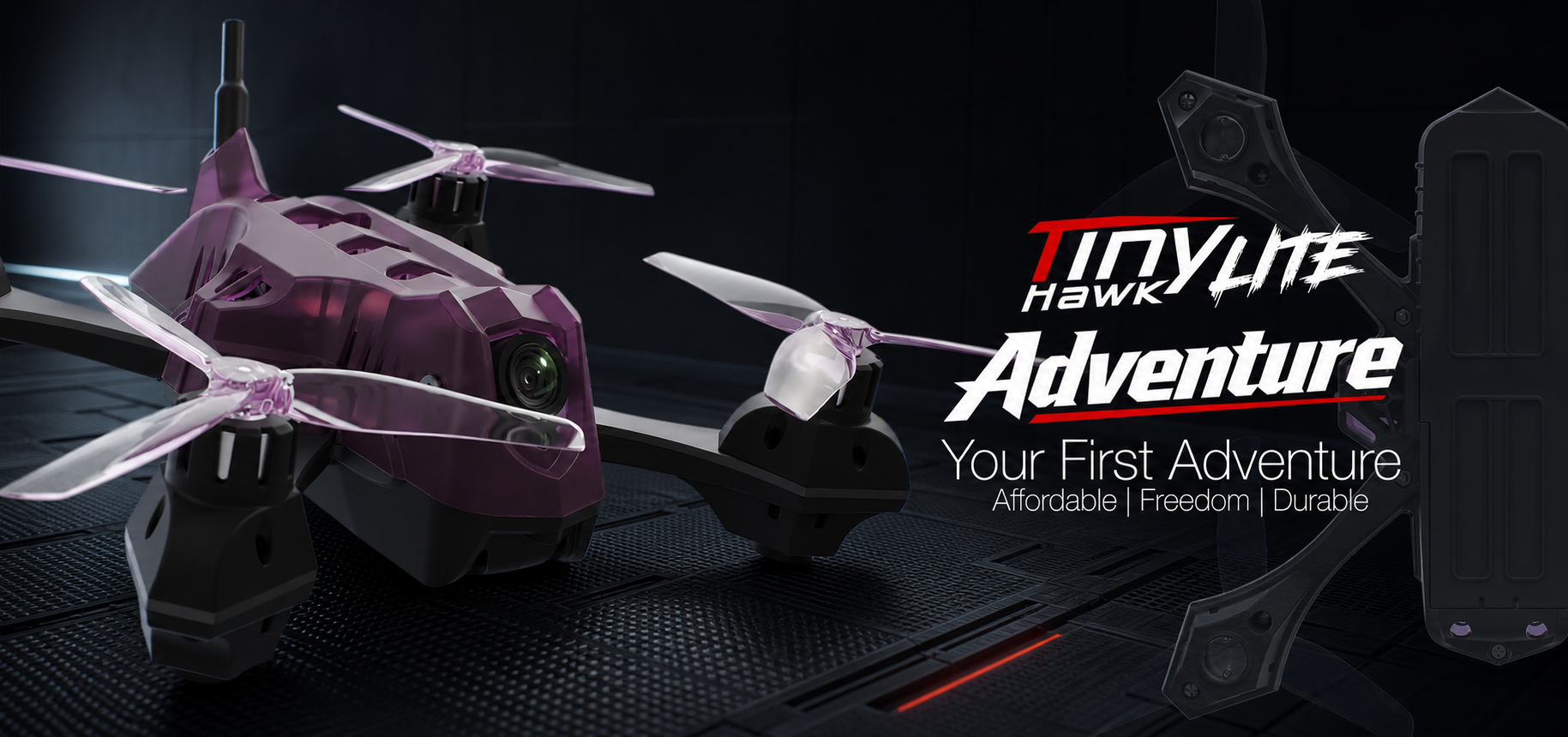
- Emax Tinyhawk III Plus Freestyle RTF Bundle: Another popular choice, known for its durability and complete package.
These kits provide a complete setup, letting you focus purely on flying.
Upgrading Your Goggles and Radio
As your skills grow, you might consider upgrading:
- Goggles: From analog box goggles to higher-resolution slimline analog goggles (e.g., Skyzone SKY04X) or making the leap to digital FPV (DJI, Walksnail, HDZero) for a crisper, more immersive experience.
- Radio: Upgrading to a full-size radio like the Radiomaster TX16S or FrSky Taranis X9D Plus offers more switches, better gimbals, and modularity for different RF modules, though the Zorro and Pocket are perfectly capable for most.
Essential Tools and Spare Parts
- Hex Driver Set: Absolutely critical for maintenance and repairs. Get a good quality set.
- Prop Wrench: For tightening/loosening prop nuts.
- Soldering Iron (optional but recommended): For minor repairs (motor wires, VTX antenna pigtails).
- Multimeter: For checking voltages and continuity.
- Spare Propellers: You will break them. Buy packs!
- Battery Straps: Keep your LiPo secure.
- Velcro/Double-sided Tape: For mounting receivers, VTXs.
Budgeting for Your FPV Racing Journey
FPV racing can range from affordable to enthusiast-level. Here's a realistic breakdown:
- Simulator: $10 - $20
- Entry-Level RTF Kit (Drone, Radio, Goggles, Batteries, Charger): $250 - $450
- Extra Batteries: $20 - $30 each (recommend 4-6 to start)
- Spare Propellers: $10 - $20 per pack
- Basic Tools: $30 - $50
Initial Investment: Expect to spend around $300 - $600 to get a solid start with a good RTF kit and some essential spares. As you progress, upgrades can add to this, but the initial barrier to entry is quite manageable.
FPV Racing FAQs
How much does it cost to get started in FPV racing?
You can get started with a quality simulator for $10-20. A complete beginner-friendly RTF (Ready-To-Fly) kit, including drone, radio, and goggles, typically ranges from $250 to $450. Factor in another $50-100 for extra batteries and spare props, bringing your initial investment to roughly $300-$600.
How long does it take to learn FPV racing?
The basics of FPV flight (hovering, controlled forward flight) can be learned in 20-50 hours of dedicated simulator practice. Achieving competitive racing skills will take significantly longer, requiring consistent real-world flight experience and ongoing practice, often hundreds of hours. It's a journey, not a sprint!
Can I race FPV drones indoors?
Yes! While larger 5-inch racing drones are designed for outdoor tracks, smaller "whoop" style drones (e.g., Tinyhawk, Meteor series) are perfect for indoor racing. They are safer, more durable, and can be flown in smaller spaces like gymnasiums or even large living rooms. Many beginners start with whoops to build confidence.
What's the difference between FPV racing and freestyle?
- FPV Racing: Focuses on speed and precision, navigating a defined course with gates and obstacles as fast as possible. The goal is the quickest lap time.
- FPV Freestyle: Emphasizes creative aerial maneuvers, tricks, and cinematic flying. Pilots perform acrobatic sequences, often in visually interesting locations, with artistic expression being the primary goal.
Do I need a license to fly FPV racing drones?
Regulations vary by country. In many regions (e.g., Turkey), hobbyist drones under a certain weight might not require a specific license, but you must register drones over a certain weight (e.g., 250 grams in the US with the FAA). Always check your local aviation authority's rules regarding drone registration, flight zones, and any remote pilot certifications, especially if you plan to participate in organized events or fly commercially.
Conclusion
The world of FPV racing is an exhilarating frontier, offering endless opportunities for skill development, competitive thrills, and a vibrant community. By following this blueprint, starting with dedicated simulator practice, carefully selecting your gear, and progressively honing your real-world flying techniques, you're not just learning to fly; you're embarking on an incredible journey. Every crash is a lesson, every successful gate is a triumph, and every flight pushes the boundaries of what you thought possible. So, what are you waiting for? Grab your goggles, charge your batteries, and prepare to unleash your inner pilot. The sky is calling – are you ready to answer? Start your FPV racing adventure today and experience the ultimate rush!
Copyright-safe media generated locally by FPVLovers