MultiGP 2026 Series Overview: Global Qualifier, Regional, eSport, and Pro Spec
An overview of the various racing series planned by MultiGP for 2026, including Global Qualifier, Regional Series, eSport, and Pro Spec.
MultiGP 2026 Series Overview: Global Qualifier, Regional, eSport, and Pro Spec
The FPV Racing Rookie's Roadmap: From First Flight to First Race
Ever dreamt of soaring through the air at breakneck speeds, navigating intricate courses with precision, all from a pilot's-eye view? FPV (First Person View) racing isn't just a hobby; it's an adrenaline-fueled aerial sport that's captivated enthusiasts worldwide. If the thrill of high-speed drone combat and the challenge of mastering complex maneuvers call to you, you've come to the right place. This ultimate guide is your roadmap, designed to take aspiring pilots from curious beginners to confident racers, covering everything from essential gear and practice techniques to drone setup and finding your first race.
Unleashing the Thrill: What is FPV Racing?
FPV racing is a competitive sport where pilots fly custom-built drones, equipped with cameras that transmit live video to their goggles, through designated courses. These courses are typically set up with gates, flags, and obstacles that pilots must navigate at blistering speeds. It's a test of reflexes, precision, and nerve, demanding complete immersion from the pilot.
Adrenaline-Fueled Aerial Sport Explained
Imagine sitting in a cockpit, seeing the world rush by from inches above the ground, executing split-second decisions to shave milliseconds off your lap time. That's the essence of FPV racing. Unlike traditional drone flying where you observe the drone from a distance, FPV puts you inside the drone, creating an unparalleled sense of speed and control. The goal is simple: be the fastest pilot to complete the course without crashing.
The Unique FPV Experience: Immersion Like No Other
The true magic of FPV lies in its immersive nature. When you put on FPV goggles, the drone becomes an extension of yourself. Your brain quickly adapts to the first-person perspective, allowing for intuitive control. This isn't just flying a drone; it's being the drone. This deep connection makes every turn, every acceleration, and every recovery from a near-miss incredibly visceral and exciting.
Why FPV Racing is Captivating Pilots Worldwide
FPV racing offers a unique blend of technical challenge, competitive spirit, and a vibrant, supportive community. It appeals to tinkerers who love building and optimizing their machines, gamers who thrive on fast-paced action, and adrenaline junkies seeking a new thrill. The constant evolution of technology, from lighter frames to more powerful motors and clearer video systems, keeps the sport fresh and exciting. Plus, the sheer joy of pulling off a perfect power loop or threading a needle through a tight gate is incredibly rewarding.
Your First Flight Crew: Essential FPV Racing Gear for Beginners
"What equipment do I need to start FPV racing?" This is often the first question aspiring pilots ask. Getting started requires a few key pieces of equipment. Let's break down the FPV racing gear guide for beginners.
The Racing Drone: RTF, BNF, or DIY? (Best Drones for Beginners)
For beginners, the world of FPV drones can seem daunting. Here's how to choose your first racing drone:
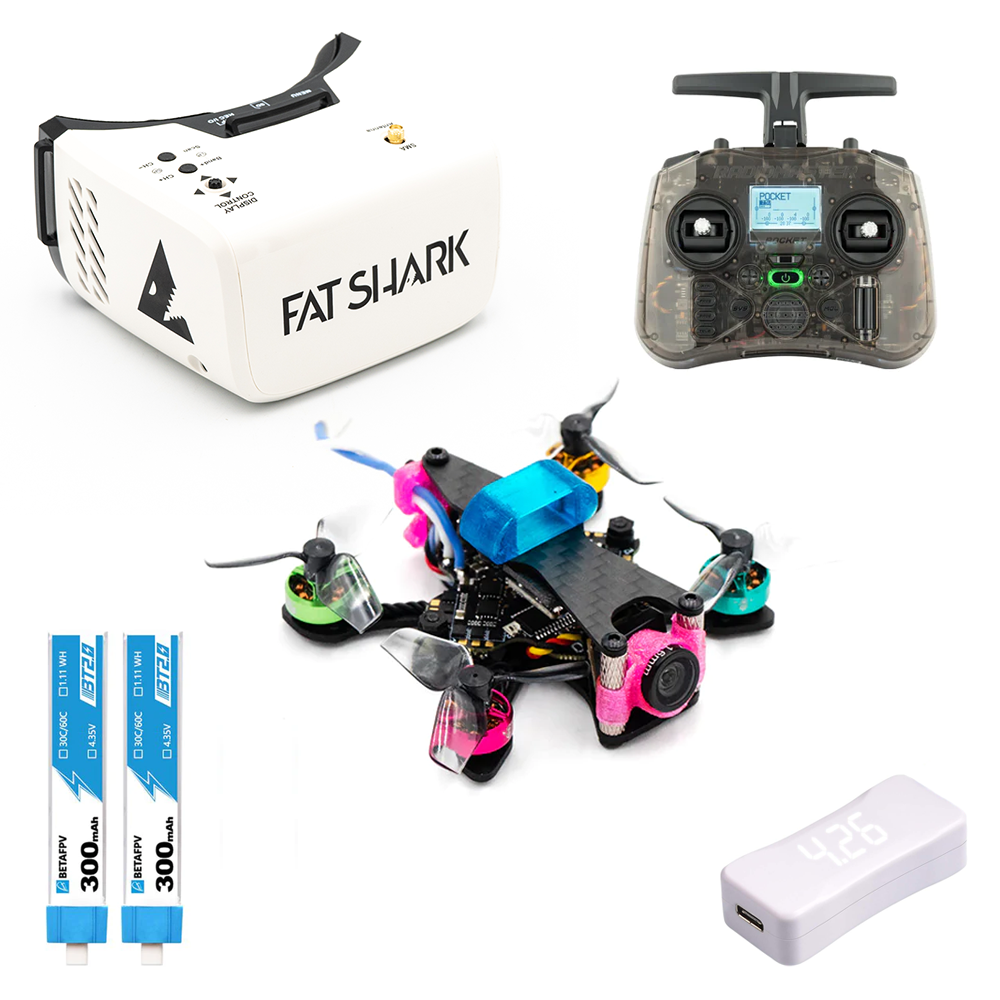
- RTF (Ready-To-Fly) Kits: These are complete packages that include a drone, goggles, and a radio transmitter, pre-bound and ready to fly. They are the easiest way to how to start FPV racing and are perfect for absolute beginners.
- Pros: Minimal setup, everything you need in one box.
- Cons: Often proprietary parts, limited upgradeability, may quickly outgrow them.
- Recommendations: The Eachine Novice-III or BetaFPV Cetus X are excellent entry points, offering decent performance and durability for learning. They typically come with 2-3S batteries and are great for indoor or backyard flying.
- BNF (Bind-N-Fly) Drones: These drones come fully assembled but require you to have your own compatible radio transmitter and sometimes goggles. They are a step up in quality and customization.
- Pros: Better quality components, more choice in radio/goggles, still no building required.
- Cons: Requires separate purchase of radio/goggles.
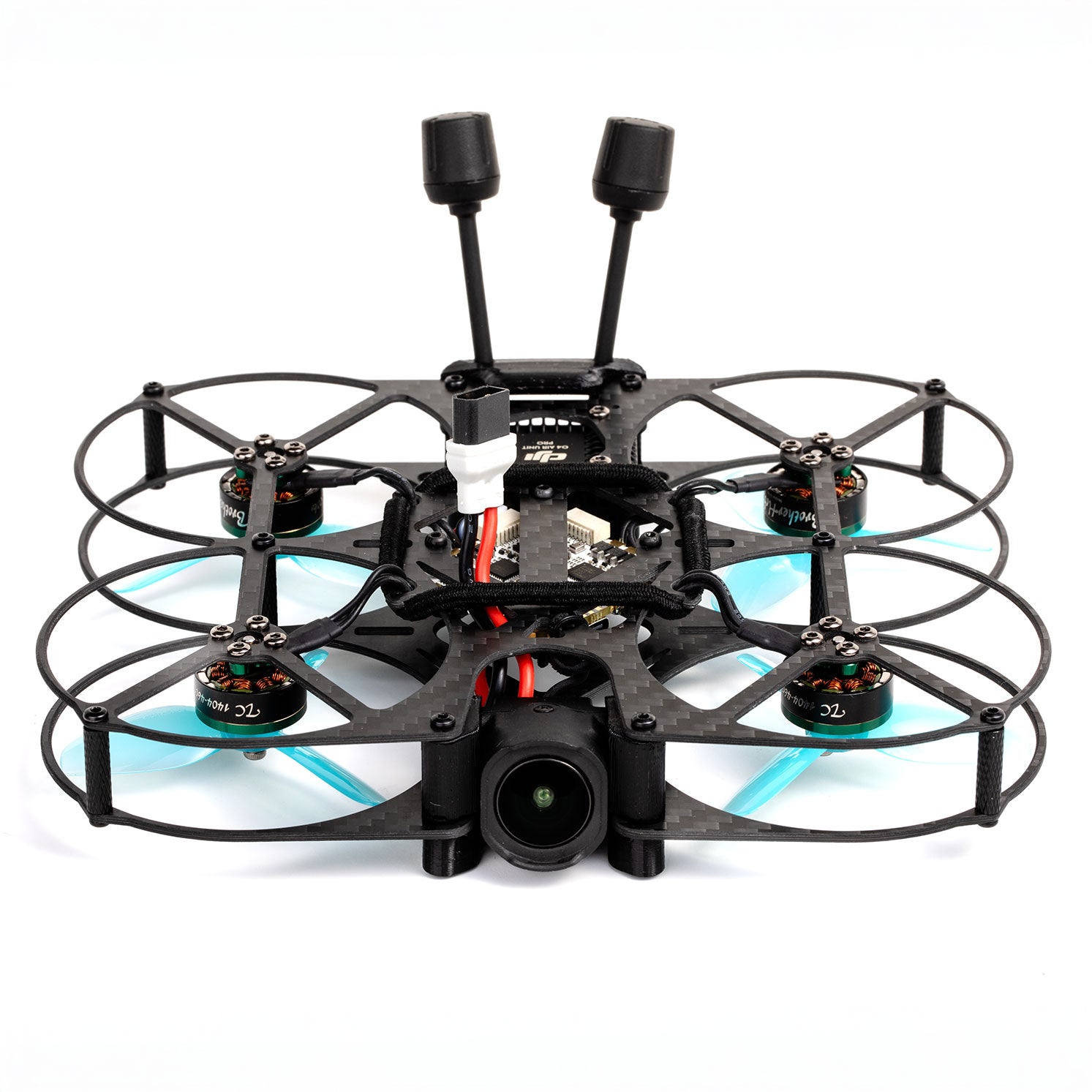
- Recommendations: For outdoor racing practice, a 3-inch quad like the EMAX Tinyhawk III Plus Freestyle or a 5-inch beginner-friendly quad like the iFlight Nazgul5 V3 (requires 4S or 6S batteries) are popular choices. These offer more power and stability for learning FPV racing techniques.
- DIY (Do-It-Yourself) Builds: This involves sourcing all components and assembling the drone yourself. This is generally not recommended for absolute beginners due to the complexity of soldering, wiring, and software setup.
- Pros: Full customization, deeper understanding of your drone, easier repairs.
- Cons: Steep learning curve, requires tools and technical skills.
Practical Tip: Start with an RTF kit or a small BNF "whoop" style drone. These are durable, less intimidating, and safer for initial flights. You'll crash, so choose something that can take a beating!
FPV Goggles: Your Window to the Sky
Your goggles are critical as they provide the immersive first-person view.
- Analog FPV Goggles: These are the most common and affordable for beginners. They offer good latency but lower resolution.
- Recommendations: The Eachine EV800D box goggles are a fantastic budget option, offering a large field of view and built-in DVR for recording flights. For a more compact form factor, the Skyzone Cobra X or Fat Shark Recon HD are great choices.
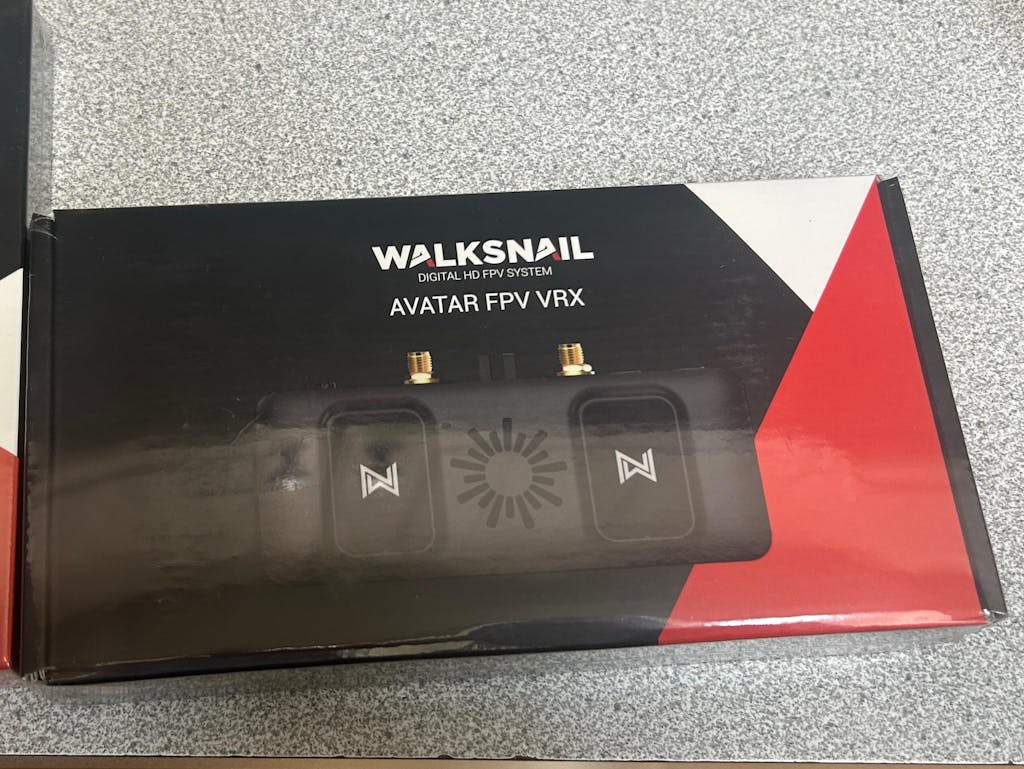
- Digital FPV Systems: Offering vastly superior image quality and range, digital systems like DJI FPV Goggles 2/3, Walksnail Avatar HD, and HDZero are the premium choice. They are more expensive but provide a stunning visual experience.
- Practical Tip: While digital is appealing, analog is perfectly adequate for learning and racing. Many top racers still use analog due to its minimal latency. Focus on a comfortable pair with decent reception.
Radio Transmitter: Your Command Center
This is how you control your drone. Invest in a good quality radio, as it will last through many drones.
- Protocols: Most modern radios support multiple protocols. ExpressLRS (ELRS) is currently the dominant and highly recommended protocol for its excellent range, low latency, and affordability. Other common protocols include Crossfire, Tracer, and FrSky.
- Recommendations: The Radiomaster Zorro and Radiomaster Boxer are incredibly popular choices. They offer excellent build quality, open-source firmware (EdgeTX), and multi-protocol support, making them future-proof. The Jumper T-Lite V2 is a smaller, more portable option.
- Mode 2: This is the standard stick configuration for FPV pilots, where the left stick controls throttle and yaw, and the right stick controls roll and pitch. Ensure your radio is set to Mode 2.
Batteries, Chargers & Other Must-Have Accessories
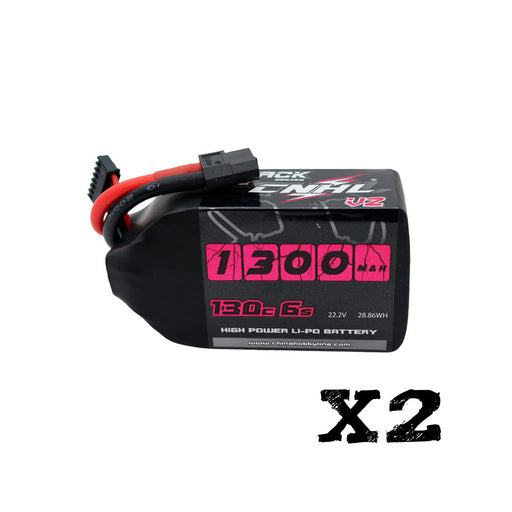
- LiPo Batteries: FPV drones use Lithium Polymer (LiPo) batteries. You'll need several (at least 4-6) for decent flying sessions. They are specified by cell count (e.g., 1S, 2S, 4S, 6S), capacity (mAh), and C-rating (discharge rate). Match the cell count to your drone's requirements (e.g., 5-inch racers typically use 4S or 6S).
- LiPo Charger: A good balance charger is essential for safety and battery longevity. Look for chargers like the ISDT Q6 Nano or HTRC T240 DUO that can charge multiple batteries and display individual cell voltages.
- Battery Safety Bag: Always store and charge LiPo batteries in a fire-resistant bag.
- Spare Propellers: You will crash and break props. Buy many spares!
- Basic Tools: Small screwdrivers, Allen wrenches, zip ties, and a soldering iron (if you plan on repairs).

From Simulator to Sky: Mastering Your Flight Skills
Learning to fly FPV takes practice, patience, and persistence. "How can I learn to fly an FPV racing drone effectively?" The answer lies heavily in simulation.
The Power of Simulators: Practice Without the Crash Cost
FPV racing simulators are your best friend. They allow you to practice endlessly without breaking expensive gear.
- Why Simulators are Worth It: They build muscle memory, teach stick control, and allow you to experiment with FPV racing controller settings and dangerous maneuvers without consequence.
- Recommendations:
- Velocidrone: Widely regarded as the most realistic physics for racing, favored by many pro pilots.
- DRL Simulator (Drone Racing League): Excellent graphics, competitive courses, and a great training mode.
- LiftOff: Good physics, extensive drone customization, and a variety of maps.
- Uncrashed: Stunning graphics and a focus on freestyle and realistic crash physics.
- Practical Tip: Spend at least 10-20 hours in a simulator before attempting your first real flight. Connect your actual FPV radio to the simulator for the most authentic experience. Focus on smooth throttle control and coordinated turns (roll and yaw together).
Your First Real Flights: Gentle Steps to Acro Mode
Once you're comfortable in the simulator, it's time for the real thing.
- Find a Safe, Open Space: Away from people, animals, and obstacles. A large, empty field is ideal.
- Start with Line of Sight (LOS): Before putting on goggles, fly your drone around LOS to get a feel for its responsiveness.
- Stabilized Mode (Angle/Horizon): Most beginner drones have a stabilized mode that self-levels. This is a good starting point for your first FPV flights with goggles on. It helps you get used to the FPV perspective.
- Acro Mode (Rate Mode): This is the ultimate goal for racing. In Acro, the drone doesn't self-level; it holds its last commanded angle. This gives you full, direct control, enabling flips, rolls, and precise maneuvers. It's challenging but incredibly rewarding.
Practical Tip: When transitioning to Acro, start low and slow. Practice hovering, then gentle turns. Don't be afraid to disarm if you lose control – it's better to drop than to fly away or hit something.
Essential Flight Techniques for Racing Success
- Throttle Management: Smooth and precise throttle control is key to maintaining altitude and speed. Anticipate turns and adjust throttle accordingly.
- Coordinated Turns: Use a combination of roll (right stick left/right) and yaw (left stick left/right) to execute smooth, fast turns. Avoid "pivoting" with just yaw.
- Gate Practice: Focus on flying through gates cleanly, adjusting your line and speed.
- Power Loops & Rolls: These are advanced techniques for navigating complex courses or showing off. Master them in the simulator first.
Setting Up for Success: Drone Configuration & Maintenance Basics
"How do I set up my FPV drone for optimal racing performance?" A well-configured drone is a fast drone.
Betaflight Basics: Firmware, PID Tuning & Rates Explained
Betaflight is the most common flight controller firmware for FPV racing drones. It's a powerful tool for customization.
- Firmware: Ensure your flight controller has the latest stable Betaflight firmware. This is done via the Betaflight Configurator software on your computer.
- Rates: This is crucial for how your drone responds to stick inputs. Rates determine how fast your drone rotates (roll, pitch, yaw) for a given stick deflection.
- Super Rate: Controls the rotation speed at the center of the stick.
- Expo: Softens the stick response around the center, making small adjustments easier.
- RC Rate: Multiplies the overall effect of your stick input.
- Practical Tip: For beginners, start with moderate rates (e.g., around 700-800 degrees/second for roll/pitch) and some expo (0.10-0.20) in the simulator. Adjust slowly as you gain confidence. Don't worry about PID tuning initially; stock Betaflight PIDs are excellent for most setups.
- OSD (On-Screen Display): Configure your OSD to show essential information in your goggles, such as battery voltage, flight time, and RSSI (signal strength).
Understanding Your VTX & RX Setup for Clear Signals
- VTX (Video Transmitter): This sends your drone's camera feed to your goggles.
- Power Levels: For racing, you'll typically use 25mW to avoid interfering with other pilots. For freestyle or long-range, higher power (200mW, 600mW, 1W+) is used. Always ensure you're on legal power levels for your region.
- Channels: Coordinate with other pilots to use different video channels (e.g., Raceband 1, 2, 3, etc.) to prevent "stepping on" each other's video.
- RX (Receiver): This receives commands from your radio.
- Binding: Ensure your RX is properly bound to your radio transmitter.
- Antenna Placement: Proper antenna placement on both your drone and goggles is vital for good video and control link quality. Avoid blocking drone antennas with carbon fiber or batteries.
Pre-Flight Checks & Basic Maintenance for Longevity
- Prop Check: Always inspect props for cracks, bends, or nicks. Replace damaged props immediately.
- Motor Check: Gently spin each motor bell. Listen for grinding, and check for any play.
- Battery Voltage: Ensure all batteries are fully charged and cell voltages are balanced.
- Loose Screws/Wires: Give your drone a quick once-over to ensure nothing is loose.
- Camera Angle: Adjust your camera angle as you get faster. Beginners start with a low angle (15-20 degrees), while racers often use 30-45+ degrees.
Beyond the Basics: Racing Strategies & Community Engagement
Once you've mastered the basics, it's time to think about racing.
Course Navigation & Race Line Optimization Tips
- Walk the Course: Before a race, walk the course to identify the fastest lines, challenging gates, and potential hazards.
- Smooth is Fast: Jerky movements waste energy and time. Focus on smooth, flowing turns and consistent throttle.
- Inside Line vs. Outside Line: Often, the shortest path (inside line) through a turn is fastest, but sometimes a wider "outside-in" approach allows for better exit speed. Practice both.
- Gate Awareness: Always be looking ahead to the next gate, not just the one you're currently flying through.
Race Etiquette, Safety Protocols & Responsible Flying
- Spotters: Always fly with a spotter who can keep eyes on your drone and warn you of hazards.
- Frequency Coordination: At organized events, follow the race director's instructions for VTX channel and power. Never power on your drone without permission.
- Arming Procedures: Only arm your drone when it's safe and clear of people.
- Respect the Course: Don't cut corners or fly dangerously close to other pilots.
- Fly Legally: Understand local drone regulations regarding airspace, registration, and privacy.
Finding Your Local FPV Racing Scene & Leagues
"Are FPV racing leagues available?" Absolutely! The FPV community is vibrant.
- Online Forums & Social Media: Join FPV Facebook groups, Discord servers, and forums. Search for "FPV racing [your city/region]".
- MultiGP: This is the largest global FPV racing league. Check their website (MultiGP.com) for local chapters and upcoming races.
- Local Hobby Shops: Often a hub for local pilots.
- Meetups: Attend local meetups to connect with experienced pilots, learn tips, and find flying spots.
Frequently Asked Questions (FAQ) About FPV Racing
What's the absolute minimum I need to start FPV racing?
The absolute minimum would be an RTF (Ready-To-Fly) kit that includes a drone, goggles, and a radio transmitter. While you can technically start with just a radio and a simulator, an RTF kit gets you into the air with real hardware.
How long does it take to get good at FPV racing?
It varies greatly, but most beginners will need 20-50 hours in a simulator to become comfortable with Acro mode. After that, consistent real-world flying and practice over several months (3-6 months or more) can get you to a competitive level for local races. Dedication is key!
Are there any age restrictions for FPV racing?
Legally, drone operation typically has no explicit age restriction in many places, but parental supervision is often required for minors. Many racing leagues welcome all ages, with some even having junior categories. The main requirement is the ability to safely operate the equipment.
Can I race FPV drones indoors?
Yes! Indoor FPV racing, often with tiny "whoop" style drones (like the BetaFPV Cetus X or Mobula7), is very popular. It's a great way to practice in smaller spaces, regardless of weather, and crashes are usually less damaging.
Your FPV Racing Journey Starts Now!
FPV racing is an exhilarating journey of skill, speed, and community. With the right gear, dedicated practice, and a passion for flight, you're well on your way to becoming a formidable pilot. Don't be intimidated by the learning curve; every expert started as a beginner. So, grab your gear, fire up that simulator, and prepare to take to the skies. The FPV racing world is waiting for you! Ready to make your first purchase? Explore our recommended beginner FPV racing kits and start your high-speed adventure today!
Copyright-safe media generated locally by FPVLovers