MultiGP 2026 Global Qualifier Schedule Announced
Providing details on the upcoming 2026 Global Qualifier events and how to participate.
MultiGP 2026 Global Qualifier Schedule Announced
The Adrenaline-Fueled World of FPV Racing: Beyond the Podium
Welcome to the exhilarating universe of FPV racing, where cutting-edge technology meets unparalleled piloting skill in a high-octane spectacle. At fpvlovers.com.tr, we're not just about the finish line; we're diving deep into the intricate tapestry of stories, technological marvels, and sheer grit that defines this rapidly evolving sport.
Beyond the Finish Line: Unveiling the Stories, Tech, and Grit
FPV drone racing is more than just drones zipping around a track. It's a testament to human ingenuity and reflexes, a battle of microseconds and perfectly executed turns. Every pilot, every team, and every drone has a story – a journey of countless hours spent practicing, tuning, and pushing the boundaries of what's possible. We're here to bring you those behind-the-scenes narratives, dissect the tech that gives racers their edge, and celebrate the unwavering determination that fuels their pursuit of victory.
Why FPV Racing Captivates: A Blend of Skill, Speed, and Innovation
The allure of FPV racing lies in its unique blend of attributes. It demands extreme precision, lightning-fast reaction times, and an intuitive understanding of aerodynamics and physics. Pilots, strapped into their goggles, experience the race as if they are literally inside the drone, navigating complex 3D tracks at speeds often exceeding 160 km/h. This immersive experience, combined with the constant innovation in drone technology, makes FPV racing a captivating sport for both participants and spectators worldwide.
The Current Landscape: Major Leagues & Recent Showdowns
The FPV racing scene is vibrant and dynamic, spearheaded by major leagues and an ever-growing network of grassroots events.
MultiGP and DRL: Powerhouses of the Sport
When we talk about organized FPV racing, two names immediately come to mind: MultiGP and the Drone Racing League (DRL).
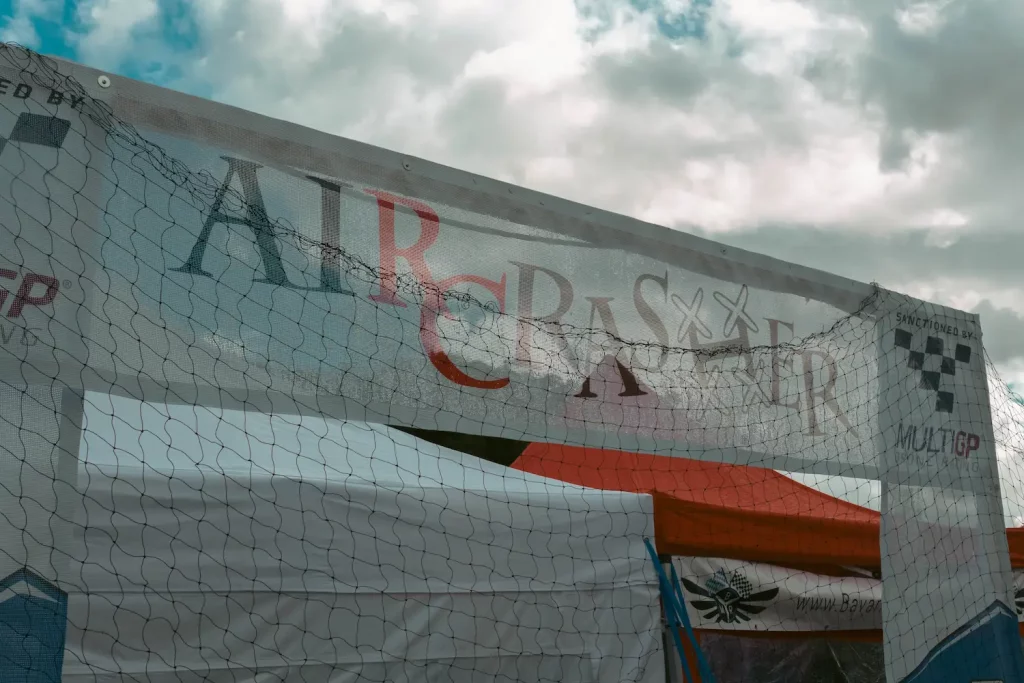
- MultiGP stands as the largest professional drone racing organization in the world, fostering a massive global community with thousands of registered pilots and hundreds of chapters. It's the backbone of grassroots racing, offering standardized rules, track formats, and a clear path for pilots to progress from local events to national championships. MultiGP events are known for their accessibility and community-driven spirit, often featuring a diverse range of pilot skill levels.
- The Drone Racing League (DRL), on the other hand, is known for its high-production value, custom-built "Racer" drones, and broadcast deals with major sports networks. DRL events are spectacular, featuring brightly lit tracks, dramatic overtakes, and a focus on entertainment, bringing FPV racing to a mainstream audience. Their proprietary drones, like the DRL RacerX and Racer4, are designed for extreme speed and durability, pushing the limits of what's possible in a competitive environment.
Key Events & Unforgettable Moments from the Season
While specific real-time results can fluctuate rapidly, the FPV racing season is always packed with unforgettable moments. From the nail-biting finishes at MultiGP Regionals to the high-stakes grand finales of DRL championships, every event showcases incredible skill. We've seen pilots pull off impossible recovery maneuvers, execute daring dive gates, and engage in photo-finishes that leave spectators breathless. These aren't just races; they're showcases of peak human-machine coordination.
Dissecting the Latest Race Results and Standings
Analyzing race results goes beyond simply knowing who won. It involves understanding how they won. Was it a consistent, clean run? A risky shortcut that paid off? Or perhaps superior drone setup and tuning? For instance, a pilot consistently placing in the top 3 might be meticulously optimizing their prop choice for specific track layouts, or running a slightly heavier but more durable frame like the Armattan Rooster for aggressive contact racing. Keeping an eye on pilot standings throughout the season reveals emerging talents and consistent performers, highlighting who's mastering the current meta.
Pilot Profiles: The Minds Behind the Goggles
Behind every blur of carbon fiber and spinning props is a pilot with a unique story, a relentless drive, and an arsenal of skills.
Top FPV Pilots: Who's Dominating the Skies and Why?
The FPV racing world has its legends. Names like Alex Vanover (DRL's youngest champion), Evan "Headsup" Turner, MinChan Kim, and Luke "BanniUK" Bannister resonate with fans. What sets them apart? It's often a combination of raw talent, thousands of hours of practice, and an innate ability to read a track and their competitors. These pilots often have a signature style – some are known for their smooth, flowing lines, minimizing turns and maintaining momentum, while others are aggressive, fearless in their pursuit of the fastest lap, even if it means risking a crash.
Training Regimens and Mental Fortitude of Champions
Becoming a top FPV racer isn't just about flying. It's a rigorous training regimen. Most professional pilots spend hours on simulators like Velocidrone, DRL Simulator, or Liftoff, practicing new tracks, refining lines, and building muscle memory. This virtual practice is invaluable for learning complex maneuvers without the cost of crashing real drones. Beyond the sticks, mental fortitude is crucial. The pressure of a race, the need to make split-second decisions, and the ability to recover from a mistake without letting it derail the entire race are hallmarks of a champion. Visualization, meditation, and a strong support network often play a role in their mental preparation.
Signature Styles and Winning Strategies on the Track
Every elite pilot develops a signature style. Some favor a high-throttle, aggressive approach, using powerful motors like the T-Motor F40 Pro IV (often 1750KV on 6S or 2400KV on 4S) to blast through straightaways and recover quickly from turns. Others prioritize efficiency and smooth cornering, opting for slightly less aggressive motors and props that offer better grip and less drag, aiming for consistent, clean laps. Winning strategies also involve understanding the track – identifying choke points, optimal gate entries and exits, and potential passing zones. Sometimes, a pilot might sacrifice a fraction of speed on one section to gain a significant advantage on another, setting up an overtake or defensive line.
Cutting-Edge Tech: Driving Performance Forward
The rapid evolution of FPV racing is inextricably linked to advancements in drone technology. Every component, from the frame to the battery, is optimized for peak performance.
Race Drone Design: From Lightweight Frames to Powerful Motors
A typical 5-inch racing FPV drone is a marvel of engineering.
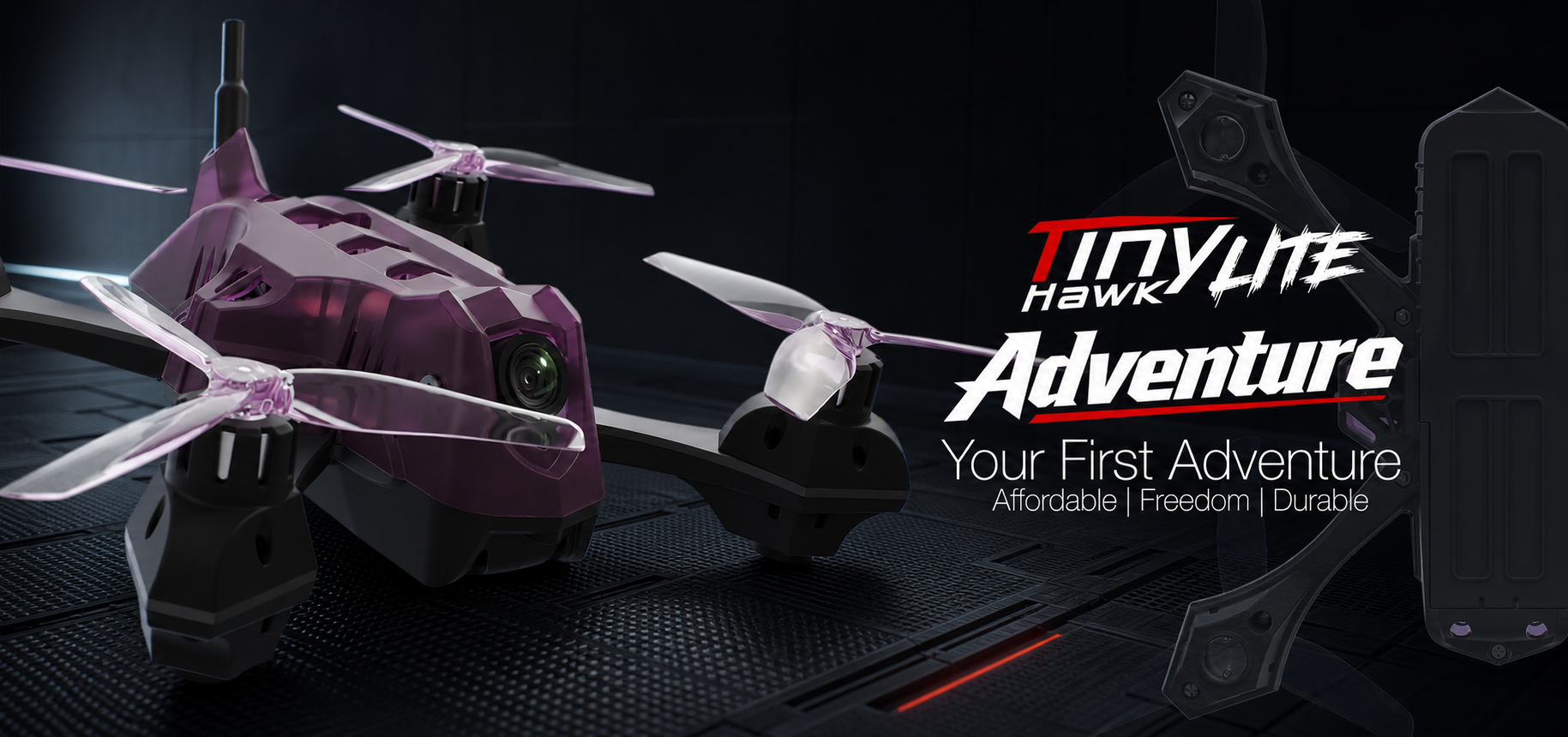
- Frames: Carbon fiber is king for its strength-to-weight ratio. Frames like the iFlight Nazgul5 V3 or custom designs like the Apex by ImpulseRC are meticulously designed for aerodynamics, weight distribution, and durability. They are built to withstand crashes and allow for quick repairs.
- Motors: These are the heart of the drone's propulsion. Brushless motors, often paired with high-performance Electronic Speed Controllers (ESCs) like a Hobbywing Xrotor G2 60A 4-in-1 ESC, provide incredible thrust. The KV rating (kilovolts per RPM) determines how fast the motor spins per volt. Racers select KV ratings based on their battery voltage (e.g., 2400KV for 4S LiPo, 1750KV for 6S LiPo) to achieve optimal RPM and power output.
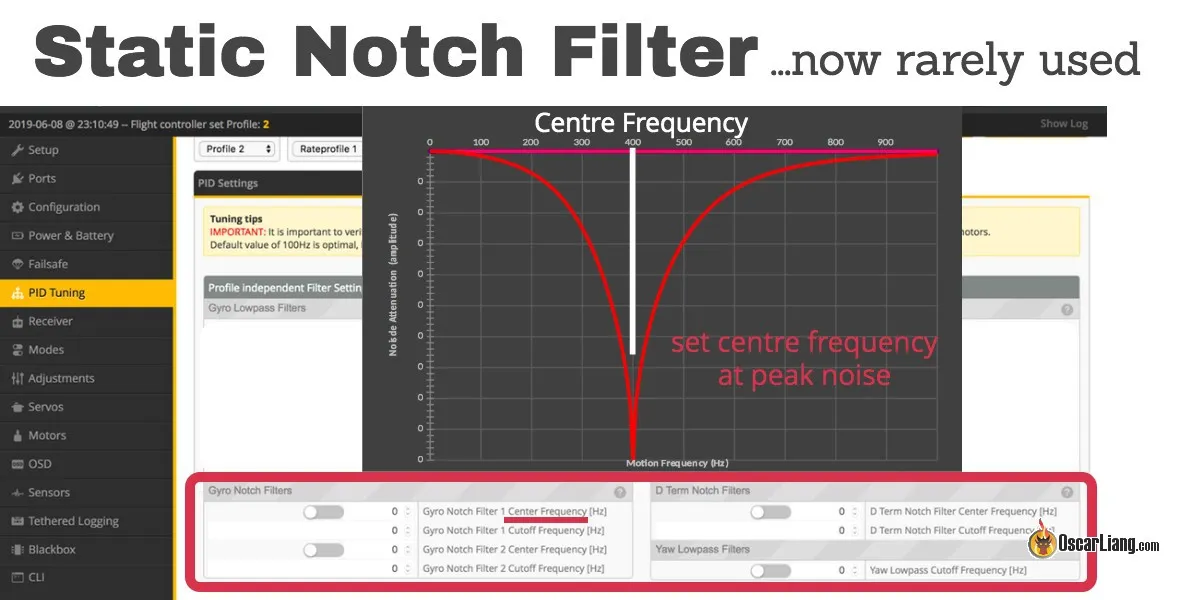
- Flight Controllers (FCs): These are the brains, running open-source firmware like Betaflight. Advanced FCs like the SpeedyBee F7 V3 or Holybro Kakute F7 offer powerful processors for rapid calculations, precise PID tuning, and advanced features like RPM filtering.
FPV Systems: The Quest for Low Latency and High Clarity
The FPV system is the pilot's eyes. Low latency and clear video are paramount.
- Digital FPV Systems: These have revolutionized racing. The DJI O3 Air Unit offers stunning HD clarity and relatively low latency, making it a favorite for many, especially in freestyle and some racing applications. Walksnail Avatar HD and HDZero are also strong contenders, with HDZero being particularly favored by some competitive racers for its ultra-low latency, crucial for split-second reactions.
- Analog FPV Systems: Still widely used, especially in grassroots racing due to their lower cost and proven reliability. Systems like the ImmersionRC Tramp HV or TBS Unify Pro32 VTXs paired with high-quality cameras like the RunCam Phoenix 2 or Foxeer Predator offer excellent performance, albeit with lower resolution. Goggles like Fat Shark Dominator or Skyzone are popular choices for analog pilots.
Battery Innovation and Power Management for Peak Performance
Batteries are the fuel. LiPo (Lithium Polymer) batteries are standard, with racers typically using 4S (14.8V) or 6S (22.2V) packs, ranging from 1100mAh to 1500mAh. The "C-rating" (e.g., 100C, 120C) indicates how quickly the battery can discharge power. Higher C-ratings mean the battery can deliver more current to the motors without significant voltage sag, ensuring consistent power throughout the race. Efficient power management, including proper ESC calibration and motor current limiting, is crucial for maximizing battery life and performance.
Race Day Dynamics: Strategy, Setup, and Success
Race day is a symphony of preparation, strategy, and adaptation. It’s where all the training and tech come together.
Course Design: The Art of the Track and Its Challenges
FPV race tracks are meticulously designed to challenge pilots in various ways. They feature gates, flags, tunnels, and obstacles, requiring a mix of speed, precision, and technical skill. A well-designed course will have fast sections for top speed, tight turns to test control, and complex gate sequences that demand intricate maneuvers. Pilots spend hours walking the track, analyzing every gate, and mentally rehearsing their lines to find the fastest path. Understanding the flow of the track is as important as raw speed.
Team Mechanics and Pit Crew Precision: The Unsung Heroes
While FPV racing is often seen as an individual sport, a pit crew and team mechanics are invaluable, especially at higher levels. These unsung heroes ensure the drone is in peak condition. They handle last-minute repairs, swap out damaged props, perform battery changes, and make crucial tuning adjustments based on pilot feedback and track conditions. A well-oiled pit crew can mean the difference between getting back on the track for the next heat and being eliminated. Their precision and speed are critical during tight race schedules.
Adapting to Conditions: Weather, Interference, and Competition
Race day is rarely perfect. Pilots must be masters of adaptation.
- Weather: Wind can dramatically affect drone handling, requiring adjustments in flight style and PID tunes. Rain can make tracks slippery and risk damage to electronics.
- Interference: Radio Frequency (RF) interference from other drones, external sources, or even spectators' devices can cause video breakup or control issues. Pilots must be adept at selecting clear VTX channels and flying defensively in challenging RF environments.
- Competition: Every pilot on the line is a variable. Understanding competitors' strengths and weaknesses, predicting their lines, and knowing when to push for an overtake or hold a defensive position are all part of the mental chess game played out at 100+ km/h.
The Evolution of FPV Racing: What's Next?
FPV racing is a young sport, constantly evolving. Its future promises even more excitement and innovation.
Emerging Technologies and Future Trends Shaping the Sport
The horizon of FPV racing is brimming with potential. We could see:
- AI-Assisted Flight: While pure human skill is paramount, AI could assist in flight analysis, offering real-time feedback or even developing adaptive PID tunes based on track conditions.
- Advanced Materials: Lighter, stronger, and more flexible materials for frames and props could further enhance speed and durability.
- Autonomous Racing: While distinct from human-piloted FPV racing, the development of autonomous drone racing AI could push the boundaries of drone performance, indirectly influencing human racing by showcasing optimal lines and speeds.
- Mixed Reality Integration: Imagine race tracks that blend physical gates with augmented reality elements, adding another layer of complexity and visual spectacle.
Growth of Global Leagues and Grassroots Events
The global footprint of FPV racing is expanding. MultiGP continues its worldwide growth, establishing chapters in new countries and nurturing local talent. The DRL, with its broadcast appeal, is likely to reach even wider audiences, potentially inspiring more professional leagues and events. The accessibility of drones means that grassroots events will continue to be the lifeblood of the sport, acting as a proving ground for future champions.
FPV Freestyle vs. Racing: A Shifting Landscape?
Traditionally, FPV racing and freestyle have been distinct disciplines. Racing focuses on speed and precision on a defined track, while freestyle emphasizes creative aerial maneuvers and tricks. However, the lines are blurring. Freestyle pilots often incorporate elements of racing into their "flow" flying, and racers are increasingly adopting freestyle techniques for more dynamic and aggressive lines on the track. This cross-pollination of styles enriches both disciplines, pushing pilots to be more versatile and innovative.
From Spectator to Pilot: Deepening Your FPV Racing Journey
Inspired to take the plunge? The world of FPV racing is more accessible than you might think.
Essential Gear for Aspiring Racers: What You Need to Know
Starting your FPV racing journey requires a few key pieces of equipment.
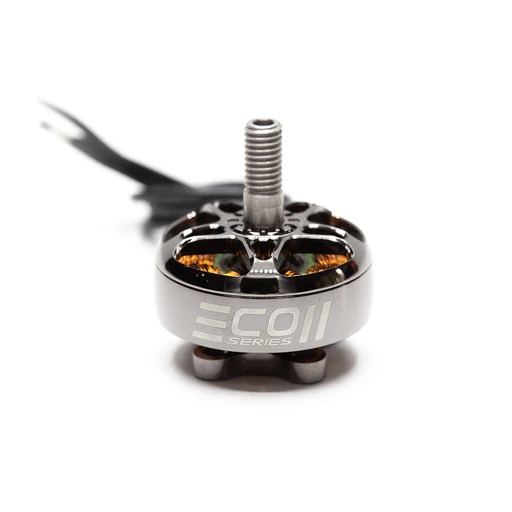
- 5" Racing FPV Drones: These are the standard for competitive racing. You can build one from scratch, choosing components like a Source One frame, Emax Eco II motors, and a SpeedyBee F405 V3 Stack. Alternatively, ready-to-fly (RTF) or bind-and-fly (BNF) 5-inch drones like the iFlight Nazgul5 V3 provide an excellent starting point.
- FPV Goggles: Crucial for the immersive experience. Options range from affordable analog goggles to high-end digital systems like the DJI Goggles 2 or Fat Shark Dominator HD.
- Radio Transmitter (Controller): A good radio like the Radiomaster Boxer or FrSky Taranis X9D Plus provides precise control and is essential for connecting with your drone.
- Batteries & Charger: Start with a few 4S 1300-1500mAh LiPo batteries and a reliable balance charger like the ISDT Q6 Nano.
- Tools & Spares: Prepare for crashes! Propellers, zip ties, and a basic toolkit are your best friends.
Joining the Community: Leagues, Local Clubs, and Online Resources
The FPV community is incredibly welcoming.
- MultiGP Chapters: Look for a local MultiGP chapter near you. They organize regular races, practice sessions, and are a fantastic resource for learning and networking.
- Local FPV Clubs: Many areas have informal FPV clubs that meet up for flying sessions. These are great for getting hands-on advice and meeting fellow enthusiasts.
- Online Forums & Social Media: Platforms like Reddit's r/fpv, dedicated FPV forums, and Facebook groups are invaluable for troubleshooting, sharing tips, and staying updated.
Training and Simulation for Race Readiness: Honing Your Skills
Before you even touch a real drone, invest time in an FPV simulator. Velocidrone is widely regarded as the best for racing physics, offering realistic drone behavior and a plethora of tracks. The DRL Simulator also provides excellent training grounds. Simulators allow you to practice endlessly, build muscle memory, and experiment with different lines and maneuvers without the financial cost or downtime of crashing a physical drone. When you do start flying in real life, begin in open, safe spaces, and gradually progress to more challenging environments.
FPV Racing FAQs
What are the latest FPV racing results and standings?
While specific real-time results vary by league and event, you can typically find the most up-to-date standings on the official websites of major leagues like MultiGP (MultiGP.com) and the Drone Racing League (DRLRacing.com). For local events, check your regional MultiGP chapter's social media or website.
When and where are the next major FPV drone racing events?
Major event schedules are usually announced well in advance. Keep an eye on the official DRL and MultiGP websites for their season calendars, including national championships and international competitions. Local MultiGP chapters also publish their event schedules regularly.
Who are the top FPV racing pilots to watch?
Current top pilots often include names like Alex Vanover, Evan "Headsup" Turner, MinChan Kim, and Luke "BanniUK" Bannister, among others. The roster of top talent is always evolving, so follow the major leagues and prominent FPV media outlets to discover emerging stars.
What new drone technology is impacting FPV racing performance?
Recent advancements include higher resolution, lower latency digital FPV systems (like DJI O3 Air Unit, HDZero, Walksnail Avatar), more efficient and powerful motors (e.g., 6S setups), lighter and stronger carbon fiber frames, and advanced flight controller firmware with features like RPM filtering for smoother flight.
How can I stay updated on FPV racing news and developments?
Follow official league websites (MultiGP, DRL), FPV-focused news sites like fpvlovers.com.tr, popular FPV YouTube channels (e.g., Joshua Bardwell, Rotor Riot), and active FPV communities on social media and forums.
The Unfolding Saga of FPV Racing
A Sport on the Rise: Impact and Future Potential
FPV racing is more than just a niche hobby; it's a legitimate sport with a growing global footprint and immense potential. It pushes the boundaries of technology, athleticism, and human-machine interaction. As technology continues to advance and the community expands, FPV racing is poised to captivate even larger audiences, inspiring a new generation of pilots and innovators.
Join the Conversation: Stay Tuned for More Exclusive FPV Racing Insights!
We hope this deep dive has given you a comprehensive look into the thrilling world of FPV racing. Whether you're a seasoned pilot, an aspiring racer, or simply a fascinated spectator, there's always something new to learn and experience. At fpvlovers.com.tr, we're committed to bringing you the most insightful stories, tech breakdowns, and pilot journeys. Stay tuned for more exclusive content, interviews, and analyses as we continue to explore the unfolding saga of FPV racing!
Copyright-safe media generated locally by FPVLovers